‘A pretty significant setback’: How Blue Origin’s rocket explosion affects NASA’s moon plans
A Shocking Setback: Blue Origin's Mishap Derails NASA's Moon Ambitions
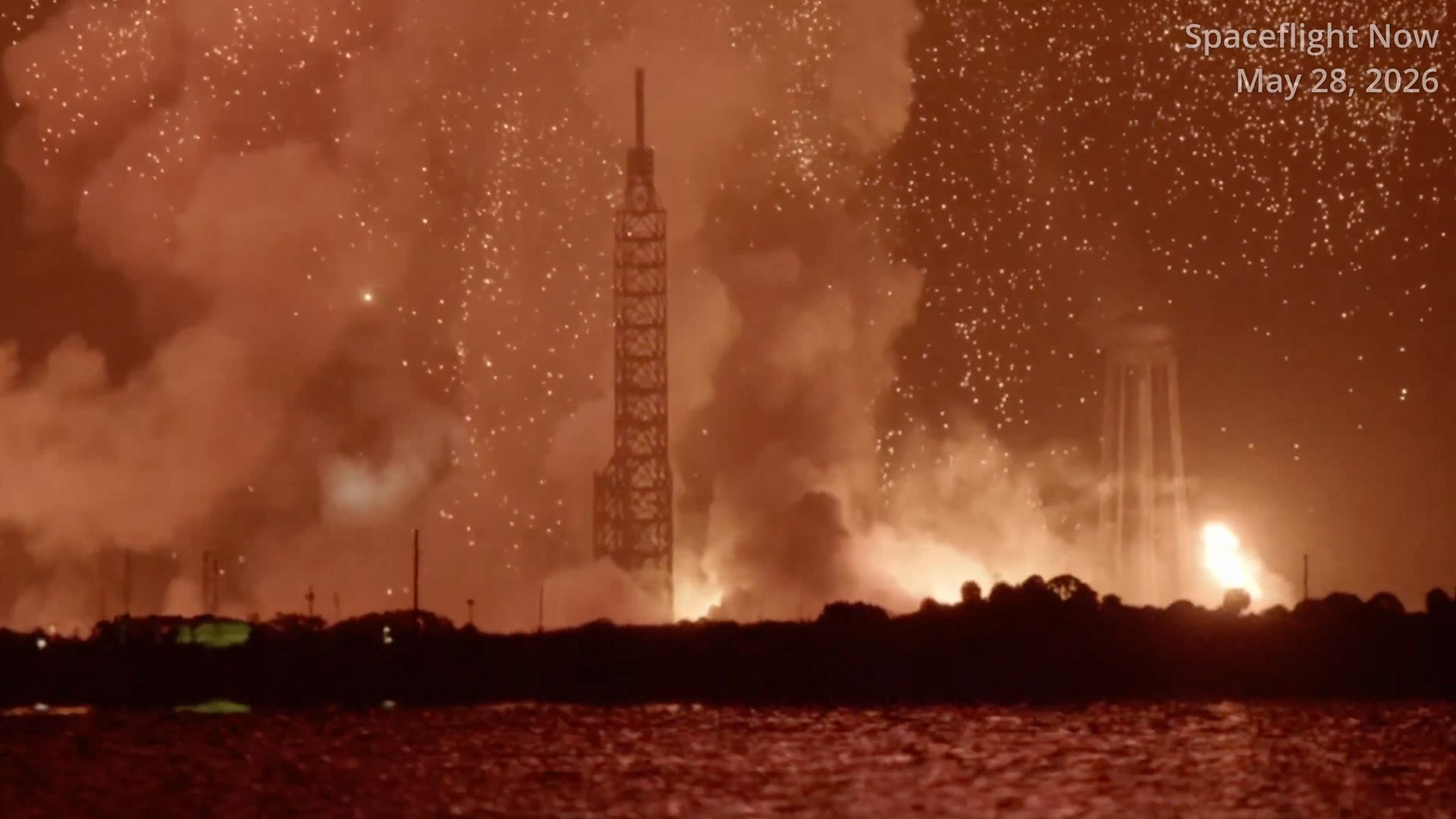
In a dramatic turn of events, Blue Origin's New Glenn rocket erupted into a massive fireball, causing ripples that might delay NASA's plans to return humans to the moon.
The Breaking Point
The peaceful skies over Cape Canaveral shattered on May 28, 2026, when a routine prelaunch test ended in disaster. Blue Origin's New Glenn rocket, a cornerstone for NASA's lunar logistics under the Artemis program, exploded, annihilating its launch infrastructure and casting doubt on planned moon missions.
Beneath the Surface
Set for a pivotal role in landing astronauts on the moon, the New Glenn was expected to underwrite NASA's timeline for the Artemis program. The mishap not only grounds the rocket but also undermines the cooperative blueprint for future lunar habitation and exploration—a setback made more complex by an FAA investigation that has silenced the New Glenn indefinitely.
The Ripple Effect
This calamity gives SpaceX, Blue Origin's rival, a potential edge to seize greater responsibility for NASA missions. As Blue Origin struggles to piece together its shattered launch pad, NASA's target launch date for Artemis 3 in 2027 looms closer, threatening to slip into uncertainty.
"In the launch industry, it is a success if you get your rocket off of the launch pad," said analyst Kathleen Curlee, as she underscored the severity of this setback for Blue Origin.
Kathleen Curlee, Georgetown University
What this really means: This explosion highlights the precarious balance and fierce competition within the space industry, as companies aim for the stars while navigating earthly challenges.