A Sea Cucumber’s Amputated Tissue Refuses To Die. Could It Live Forever?
The Immortal Mystery of a Sea Cucumber's Tissue
Deep in the oceans, a humble sea cucumber's amputated tissue is rewriting our understanding of life and regeneration. Could this organism's unique ability to resist death hint at biological immortality?
The Breaking Point
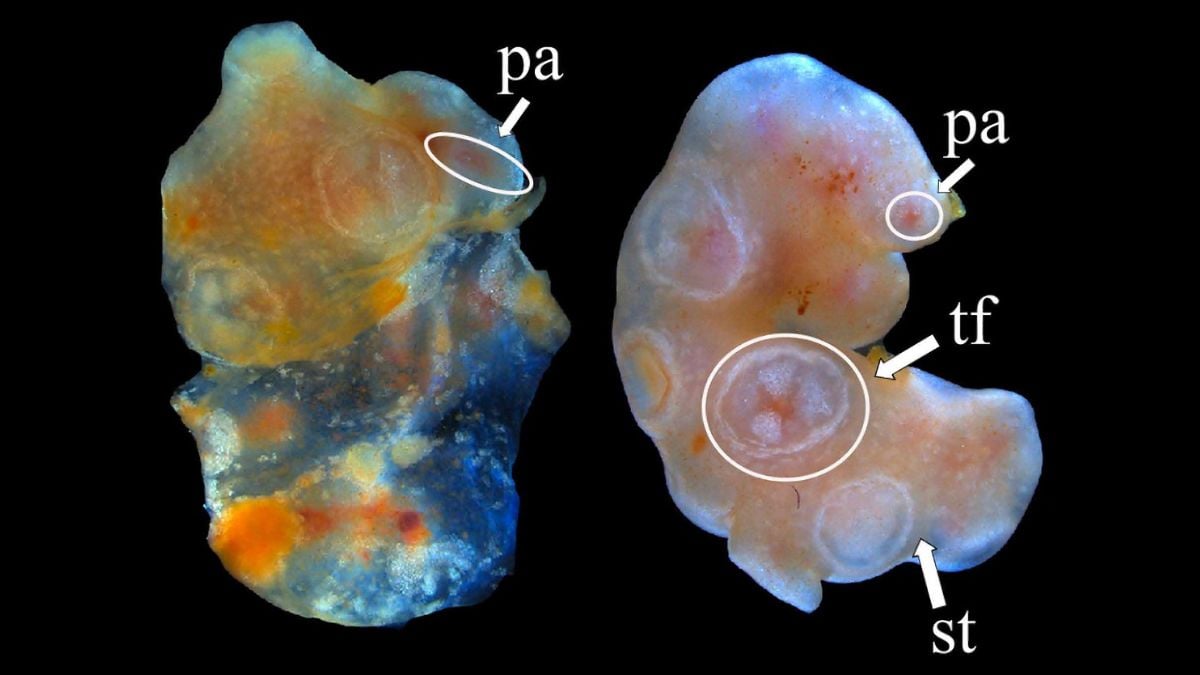
In a remarkable discovery, scientists in Canada have found that amputated tissues from the scarlet sea cucumber, Psolus fabricii, defy the normal process of decay. Despite being separated from the main body, these tissues remain biologically active for years, fending off death in their natural seawater environment. This observation challenges our conventional understanding of tissue longevity and regeneration.
Beneath the Surface
While scientists have long been fascinated by the regenerating abilities of creatures like jellyfish and lizards, the sea cucumber presents a groundbreaking new model. These tissues not only survive but also repair and reorganize themselves. Their resilience in natural seawater, a microbially rich and harsh environment, suggests that they thrive on what typically poses a threat to other organisms.
The Ripple Effect
This discovery propels the scarlet sea cucumber into the spotlight as a potential key to understanding biological resilience and regeneration. The implications reach far beyond marine biology, hinting at future breakthroughs in medicine and life sciences that could fundamentally alter our approach to healing and longevity.
"It's like a lizard that loses its tail. We're talking about whether the tail can grow a new lizard."
Rachel Sipler, Marine Biogeochemist