Ancient DNA Reveals a Genetic Surprise in The Last Neanderthals
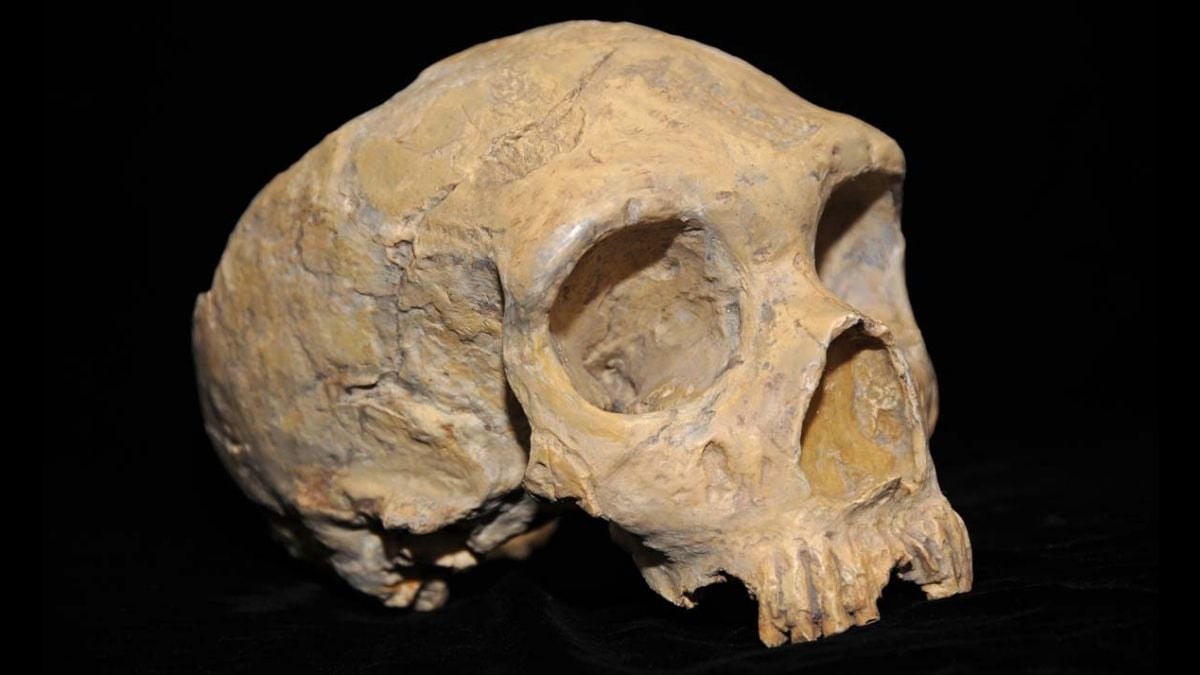
A Genetic Revelation in The Last Neanderthals
New findings from ancient DNA suggest that the Neanderthals' extinction might not have been due to inbreeding as previously thought, surprising the scientific community.
The Unveiled Mystery
Evolutionary anthropologist Alba Bossoms Mesa and her team have reanalyzed genetic data from 27 Neanderthals across Europe, challenging the prevalent theory that these early humans vanished due to genetic deterioration from inbreeding.
Historical Tangles
The study revealed that, contrary to prior findings from isolated eastern populations, late Neanderthals in northwestern Europe were part of a diverse, interconnected network. This suggests that genetic decline was not their downfall. Instead, they coexisted and mingled extensively with modern humans, yet only human DNA integrated prominently.
The Legacy Continues
The research points to a complex tapestry of human and Neanderthal interactions, painting a vivid picture of our shared heritage. While Neanderthals contributed to our genetic lineage, the absence of modern human genes in Neanderthal specimens poses a lingering puzzle for scientists to decode.