Ancient Killer Is Rapidly Gaining Resistance to Antibiotics, Scientists Warn
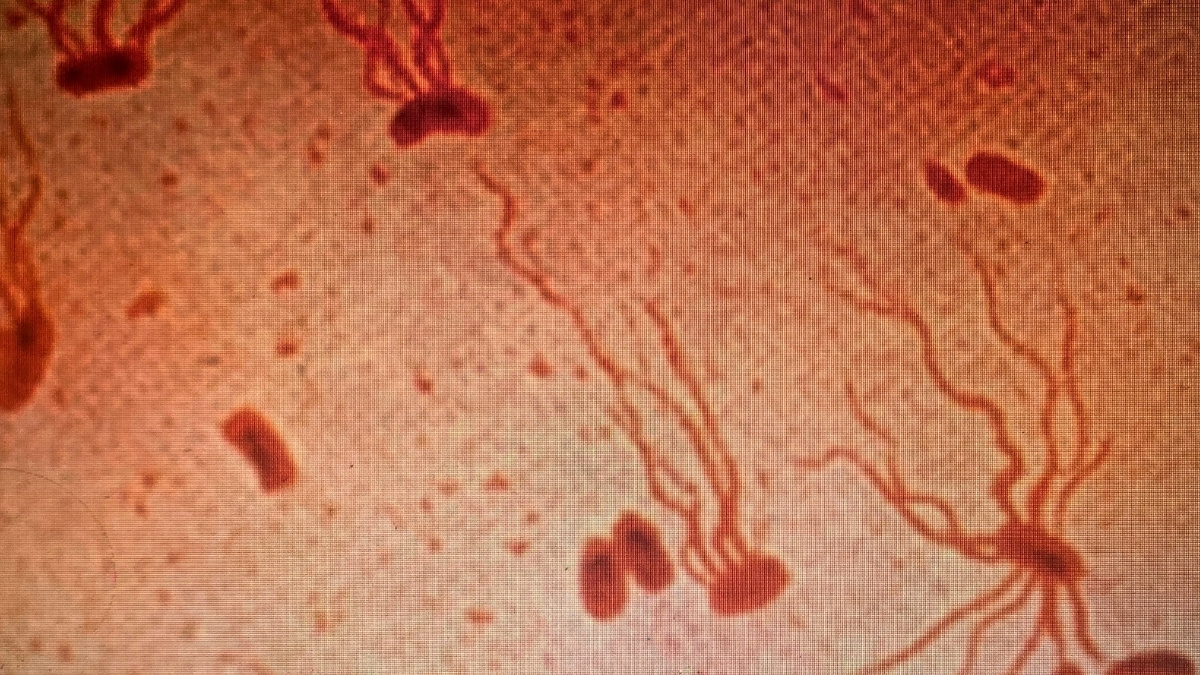
Ancient Typhoid Foe Strengthens, Gaining Resistance Against Modern Medicine
The ancient bacterium responsible for typhoid fever is evolving at an alarming rate, resisting the very antibiotics meant to halt its spread. As global health faces this rising threat, experts call for urgent international action.
The Breaking Point
Once confined, typhoid fever, caused by the bacterium Salmonella enterica serovar Typhi, is now resistant to multiple antibiotics. With over 13 million cases reported in 2024, the battle against this ancient killer is intensifying.
Beneath the Surface
A comprehensive study has revealed the global spread of extensively drug-resistant (XDR) Typhi, originating from South Asia and finding its way to parts of Africa, the UK, US, and Canada. This adaptability threatens the efficacy of the last known oral treatment, azithromycin.
The Ripple Effect
Without intervention, up to 20% of untreated typhoid cases could prove fatal. Development and roll-out of typhoid conjugate vaccines, especially within endemic regions, are crucial to curbing this threat. Public health initiatives must focus on prevention as antibiotic options wane.
"The speed at which resistant strains of S. Typhi have emerged is a real cause for concern, highlighting the need to urgently expand prevention measures."
Jason Andrews, Stanford University
What this really means: If not managed diligently, the typhoid superbug may become a health crisis, echoing COVID-19's path across our interconnected world.