Breakthrough Evidence: Nuclear Fusion ‘Flaw’ Could Actually Be Part of The Solution
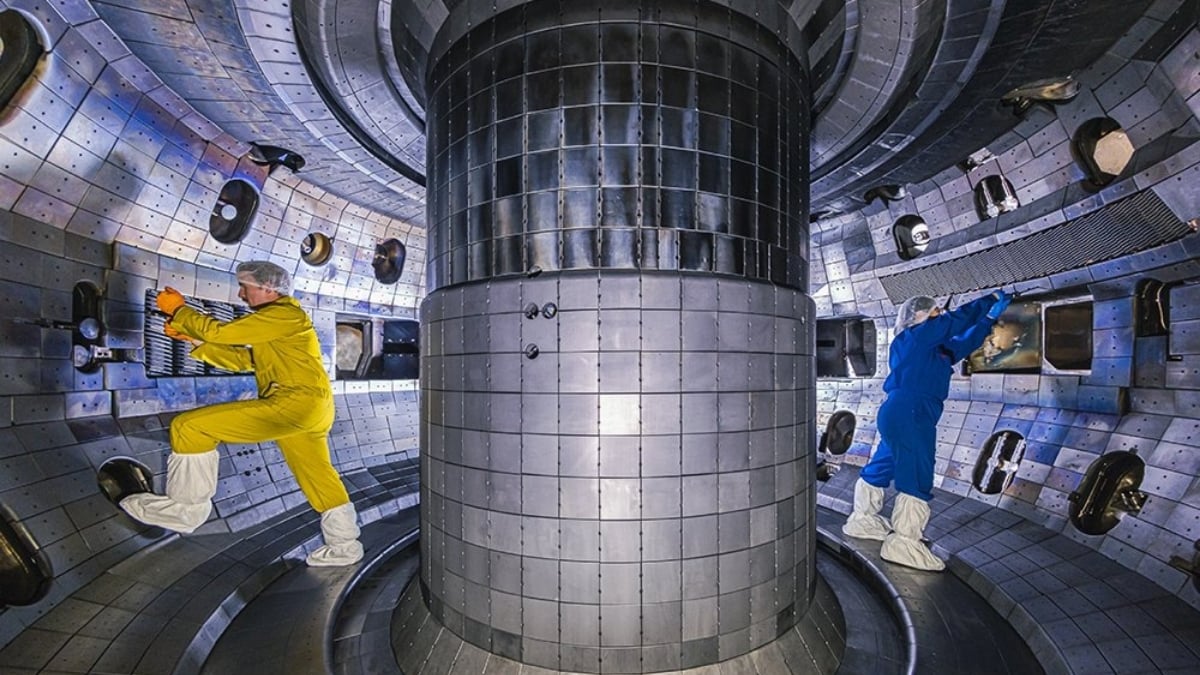
Nuclear Fusion's 'Flaw' May Be the Secret to Its Success
In a twist that could change the future of clean energy, instabilities in nuclear fusion reactors, once considered problematic, may actually be beneficial, paving the way for more efficient fusion processes.
The Breaking Point
Fusion power, often hailed as the 'holy grail' of energy solutions, emulates the Sun's energy process using intense magnetic fields in devices like the DIII-D tokamak. However, this process faces a formidable challenge: turbulence in the plasma meant to reach temperatures soaring to ten times hotter than the Sun's core.
Beneath the Surface
New research has uncovered that plasma instabilities known as Alfvén eigenmodes (AEs) could help control this turbulence. By driving electric currents within the plasma, AEs might actually form a self-regulating mechanism that enhances reactor performance.
The Ripple Effect
This unexpected benefit means more heat remains in the plasma core, making fusion more attainable. Researchers recorded changes in the magnetic field's safety factor, suggesting AEs' potential to shape a brighter future for fusion energy, bringing this elusive dream of clean power closer to reality.