China warns of reciprocal countermeasures after U.S. shortens foreign journalist visas
U.S. Curtails Journalist Visas, China Threatens Retaliation
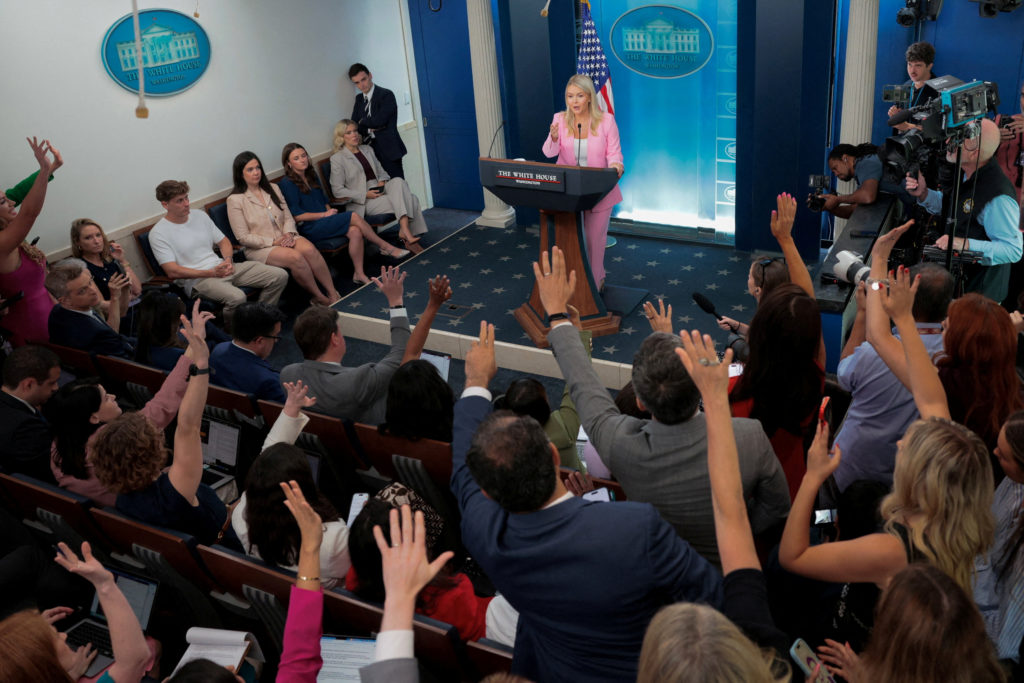
In a move reverberating through international journalism, the Trump administration has decided to drastically reduce the duration of visas for foreign journalists in the U.S., sparking concerns over press freedom and a looming diplomatic rift with China.
The Breaking Point
Thursday marked a significant policy shift as the United States announced it will limit visas for foreign journalists to just 240 days, while cutting them even further to 90 days for Chinese journalists. This adjustment by the Department of Homeland Security is intended to increase vetting but has drawn sharp criticism for undermining journalistic freedom.
Beneath the Surface
This controversial policy echoes previous attempts to tighten control over foreign journalists and comes against a backdrop of strained U.S.-China relations exacerbated by ongoing geopolitical tensions. Press advocates, including Reporters Without Borders, decry this move as detrimental to international reporting capabilities, painting it as an attack on the democratic tenet of a free press.
The Ripple Effect
China's response was swift, with their Foreign Ministry promising reciprocal actions, escalating fears of a media stalemate between the two superpowers. As both countries navigate this delicate diplomatic moment, the broader implications for global press freedoms remain uncertain, challenging the international landscape of news gathering and dissemination.