Could a digital twin make you into a ‘superworker’?
Could Digital Twins Turn Us Into 'Superworkers'?
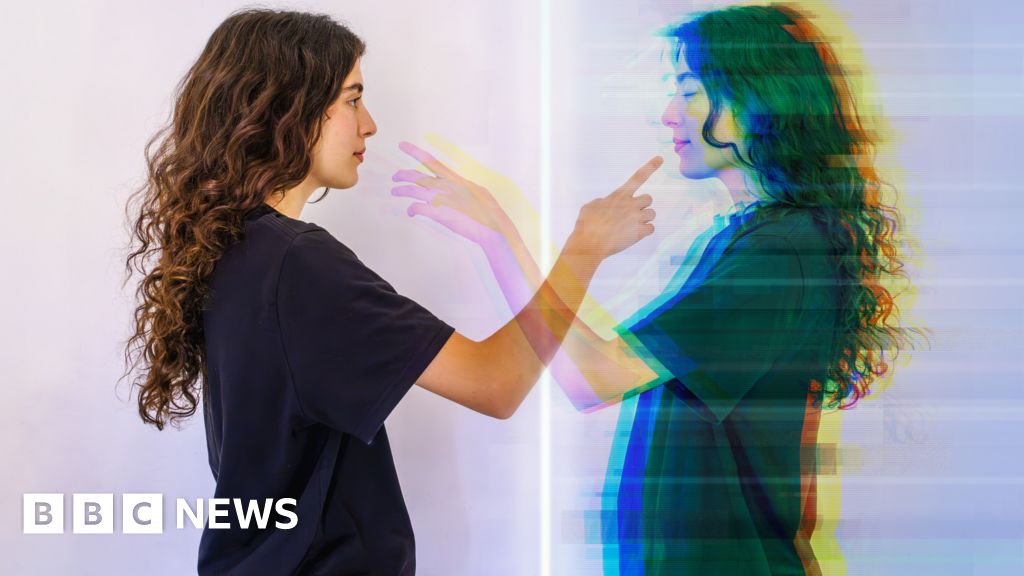
Imagine having a digital version of yourself that can handle meetings, manage tasks, and even boost productivity while you focus elsewhere. It sounds futuristic, yet companies are already experimenting with AI-driven digital twins to redefine work as we know it.
The Breaking Point
Digital twins are revolutionizing the workplace by replicating an employee's knowledge and tasks through AI. Richard Skellett, a chief analyst at Bloor Research, pioneered this concept with his 'Digital Richard.' This AI version absorbs Skellett's professional tasks, assisting with decisions and even personal management. Inspired by this efficiency, Bloor Research rolled out digital twins across its global team, effectively transforming retirement plans and maternity leaves into seamless transitions.
"In this environment, having a Digital Me is not optional if you want to operate effectively. It becomes part of how you work," says Skellett.
Richard Skellett, Bloor Research
Beneath the Surface
The rise of digital twins raises critical questions about ownership, rights, and workplace dynamics. Who owns the digital twin—the employee or the employer? And how should compensation be adjusted given this amplified output? While companies like Bloor advocate for personal ownership, others, like The Josh Bersin Company, lean towards traditional IP rights, where the company maintains ownership.
The Ripple Effect
As technology advances, legal and ethical frameworks are struggling to keep pace. Employment law may soon face reinterpretation as digital twins complicate notions of consent, data control, and job performance. While these AI entities promise to create 'superworkers' and drive efficiency, they also pose new risks, potentially leading to conflicts resolved in tribunals before set precedents become law.