How single-party primary elections are reshaping Congress
The Political Price of Party Primaries: Polarization in Congress
Increasingly, Congress is a tale of two parties hostage to their extremes, with closed primary elections as a key culprit in stoking partisan fires and quelling independent voices.
The Breaking Point
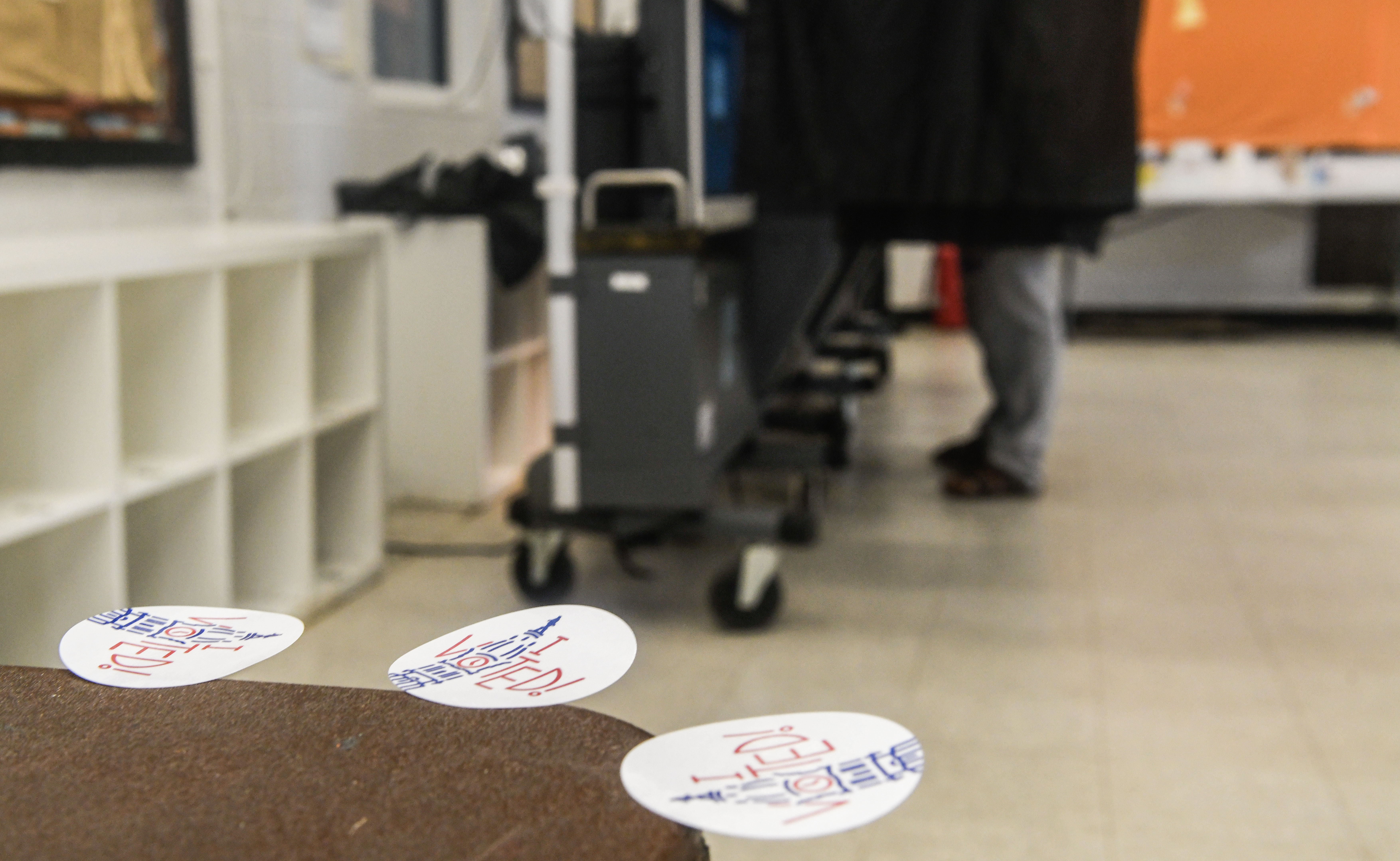
Primary elections, often closed to all but registered party members, are creating a Congress more polarized than ever. As lawmakers echo concerns about these single-party contests, the push for reform intensifies. Advocates argue that the current system rewards party loyalty over broader national interests.
Beneath the Surface
With partisan gerrymandering sealing many districts' fate, closed primaries often render general elections a mere formality. Results are shaped not by a diverse electorate but by a narrow band of party faithful, limiting voter choice and driving representatives to political extremes.
The Ripple Effect
This growing divide has broader implications, silencing moderate voices willing to compromise and hampering effective governance. As Rep. Brian Fitzpatrick laments, the 'us vs. them' mentality birthed by closed primaries precludes meaningful dialogue, urging reforms like open primaries to restore balance and broaden political discourse.