National People’s Congress: What is China’s Two Sessions and why does it matter?
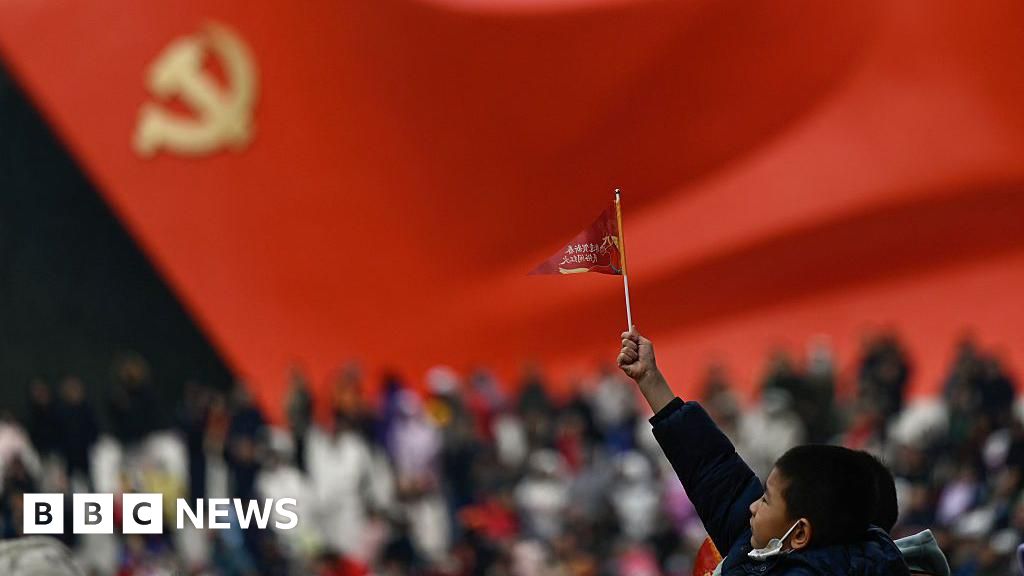
Decoding China's Two Sessions: The Unveiled Priorities of a Global Powerhouse
Every spring, the world's gaze turns to Beijing as China's meticulously orchestrated political spectacle, the "two sessions," unveils the nation’s economic and political roadmap. This year's gathering could signal shifts that resonate worldwide.
The Breaking Point
Amidst political pageantry, China's National People's Congress (NPC) and the Chinese People's Political Consultative Conference (CPCC) convene, reflecting the leadership's vision. Observers eagerly dissect details from Premier Li Qiang's Government Work Report to uncover China’s economic strategy and its Five Year Plan. Despite being dubbed a "rubber-stamp" parliament, the speeches provide crucial clues to China's future, especially regarding economic growth and tech advancement.
Beneath the Surface
Behind ceremonious facades, recent purges of high-level military officials underscore a rigorous anti-corruption campaign under President Xi Jinping's watch. This year's agenda highlights controversial policies like the "ethnic unity" law and environmental codes that could reshape China's internal fabric and ecological footprint. These laws demonstrate a push to consolidate national identity while striving for a greener future amid broader global tensions.
The Ripple Effect
The outcome from these sessions is keenly watched across the globe, as China's policies in sectors like renewable energy and technology influence worldwide markets. As Xi's China positions itself as a global tech behemoth, even subtle policy shifts announced in these sessions can create sweeping international effects, pushing global leaders to recalibrate their strategies with Beijing.