Newly Discovered ‘Footprint of Death’ May Help Viruses Spread
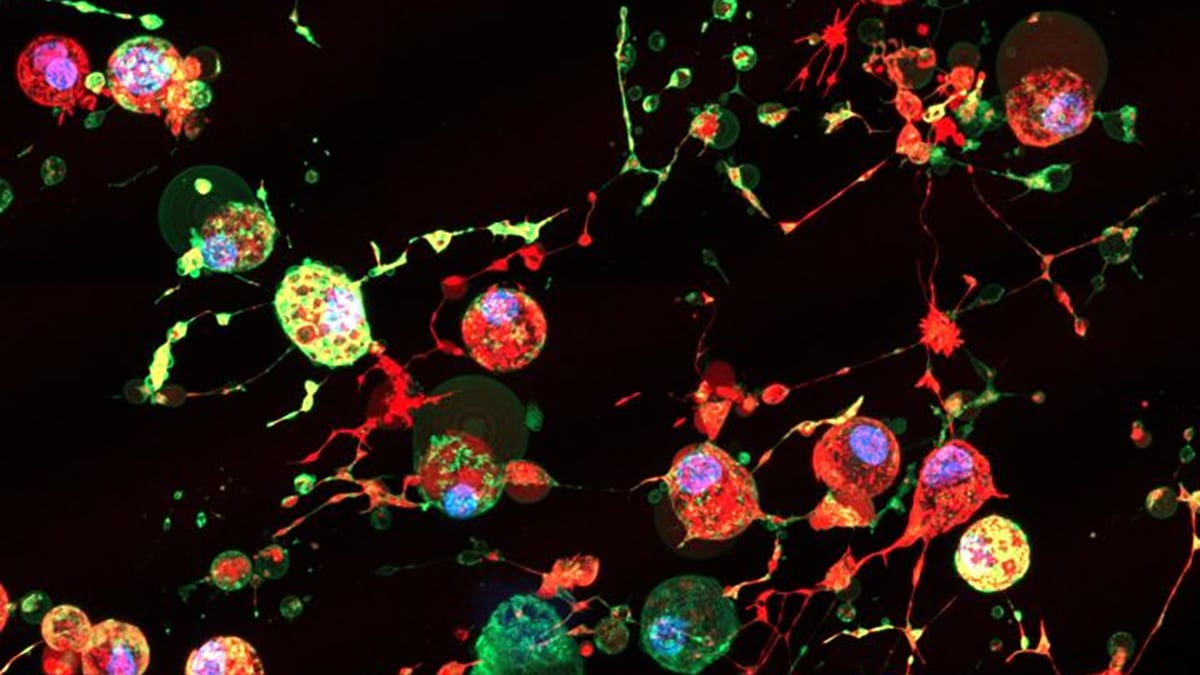
A Hidden Pathway: How Dying Cells May Aid Virus Spread
In a groundbreaking discovery, researchers have identified a "footprint of death" that could inadvertently aid viruses in spreading, offering new insights into cellular processes and potential medical advances.
The Breaking Point
Billions of cells die daily as part of natural processes within our bodies. Scientists from La Trobe University in Australia have uncovered a new type of extracellular vesicle, named F-ApoEVs, left behind by cells undergoing programmed death. These vesicles serve as markers for our immune system, guiding it to remove dead cells efficiently.
Beneath the Surface
The research revealed that viruses can hijack these F-ApoEVs, essentially using them as Trojan horses to spread their infection to healthy cells. This unexpected method of viral dissemination opens new paradigms of understanding cellular communication and viral strategies.
The Ripple Effect
These findings suggest future possibilities for developing treatments that enhance the immune system's ability to combat not only viral infections but potentially even autoimmune diseases. Understanding how F-ApoEVs function could catalyze breakthrough therapies, drawing a finer line between protecting or compromising health.
"Dying cells can continue to communicate from the grave and may impact immune function," reflects Georgia Atkin-Smith, indicating new horizons in biotech research.
Georgia Atkin-Smith, Cell Biologist