Quakes on The Moon Are Far More Widespread Than We Realized
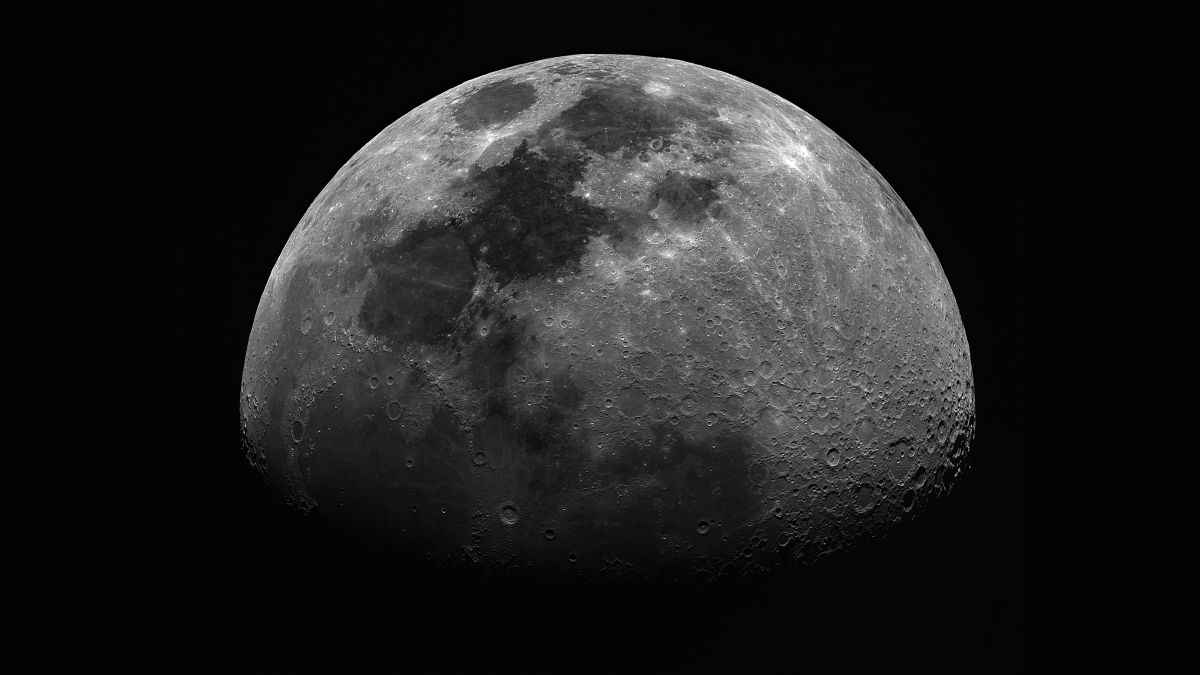
Moonquakes: A Widespread Phenomenon Reshaping Our Lunar Understanding
The Moon, our silent neighbor, is more geologically active than once thought, with recent studies mapping moonquakes far beyond previous estimations. This groundbreaking discovery paints a dynamic picture of our celestial companion, reshaping our understanding of its seismic past and future potential.
The Breaking Point
Using high-resolution images from NASA's Lunar Reconnaissance Orbiter, scientists have identified over 2,600 small mare ridges, or SMRs, indicating widespread tectonic activity across the Moon's basalt plains, known as maria. These features have been found to be geologically recent, with some dated at just 52 million years old, suggesting that the Moon is contracting and actively reshaping its surface.
Beneath the Surface
Unlike Earth, the Moon lacks tectonic plates but maintains its own internal activity, which has cooled since its formation. By mapping the SMRs, scientists have unlocked a new understanding of the Moon's seismic variability, providing insights into its contraction and thermal history. This research indicates similar global stresses are influencing both the highlands and the maria, a revelation that connects disparate lunar features into a coherent narrative of shrinkage.
The Ripple Effect
This seismic activity poses new considerations for future lunar missions, especially regarding the potential hazards shallow moonquakes present to infrastructure. The findings open new exploration frontiers, necessitating careful planning for long-term habitation and scientific endeavors on the lunar surface.