Rhine, Danube Water Levels Continue to Impact River Cruising
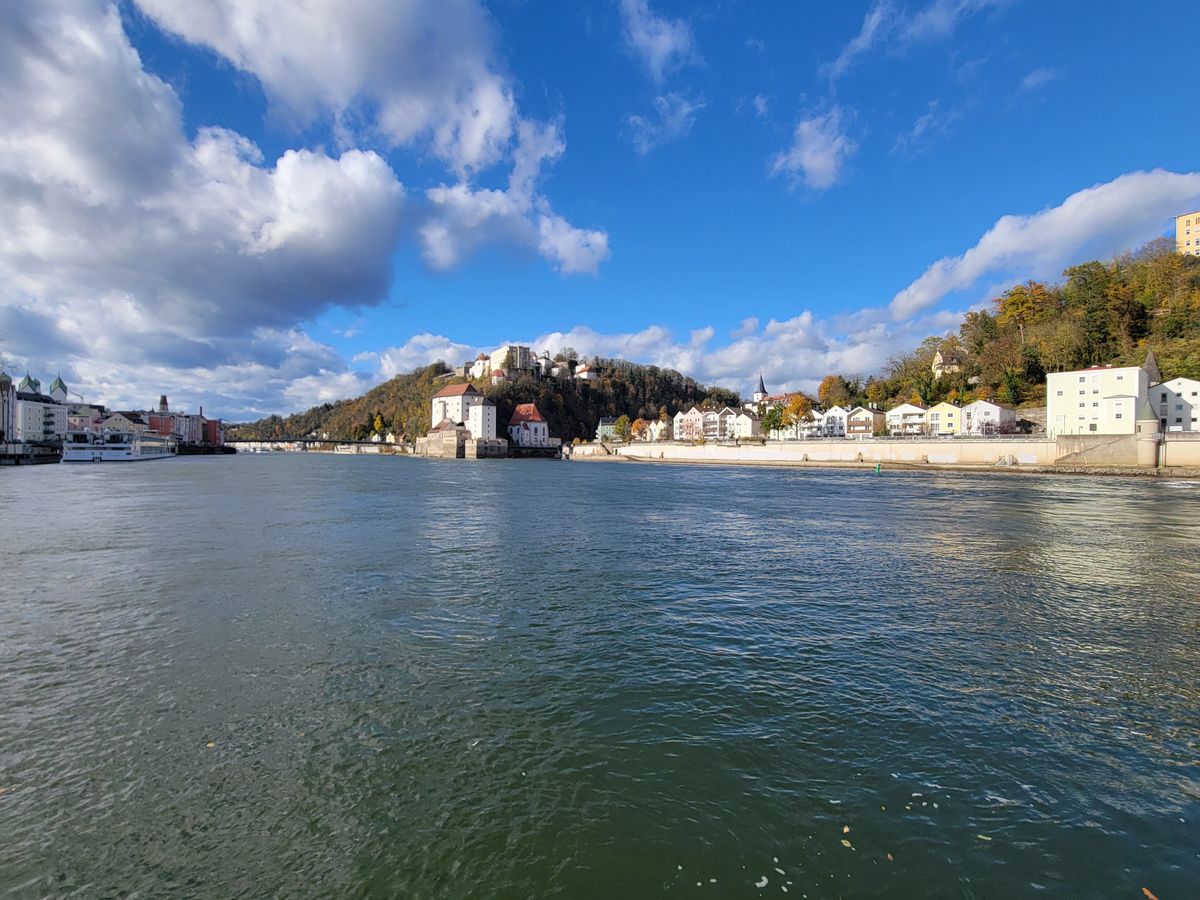
Low Water Levels Create High Tensions in European River Cruises
The idyllic journey of gliding down Europe's grand rivers has turned into a puzzle of logistics as river cruisers face unprecedented low water levels on the Rhine and Danube, key arteries for both tourism and trade.
The Breaking Point
Unexpectedly dry conditions have lowered the Rhine to record depths unseen since 2018, forcing cruise companies to innovate. Some have resorted to using tandem ships to transfer passengers across inaccessible river sections, ensuring guests maintain their luxury experience despite the inconvenience.
Beneath the Surface
Meanwhile, the Danube is experiencing its lowest water levels in 30 years, severely impacting operations in Romania and Serbia. The river, often called Europe's lifeline, sees cruise ships running aground more frequently, complicating itineraries and leading some companies to suspend bookings altogether.
The Ripple Effect
With over 10% of booked cruises canceled, cruise lines like AmaWaterways have adapted by altering routes and swapping ships. The economic ripple extends to future pricing, with forecasted increases of up to 18% in some months, as companies brace for uncertain river conditions. For travelers, the promise of rain—and higher water levels—may bring smoother sailing days ahead.
"What we will not do is replace significant sections of your planned river journey with repeated, long-distance coach journeys simply to keep an itinerary running."
Riviera Travel