Scientists Find Signs of Active Life in Ötzi The Iceman
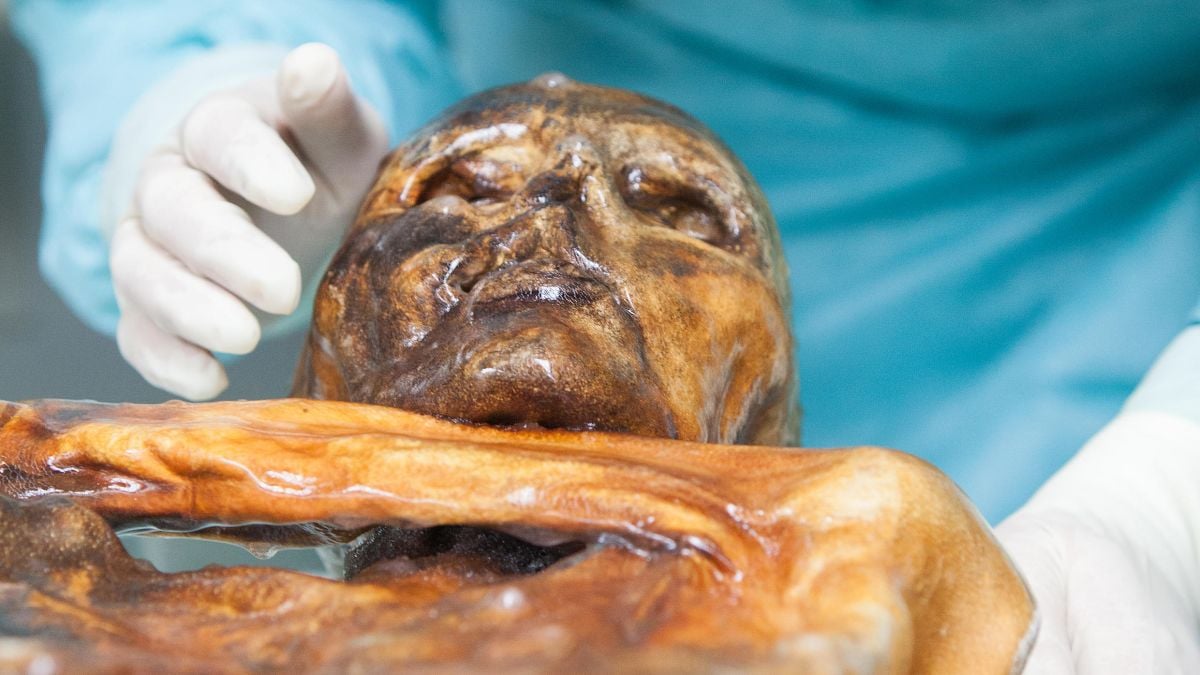
Ancient Life: Ötzi The Iceman's Microbial Secrets Unearthed
In a revelation that challenges perceptions of the static nature of mummies, scientists have uncovered signs of ongoing microbial life on Ötzi the Iceman, a Copper-Age mummy dating back over 5,300 years.
The Discovery's Roots
Ötzi's well-preserved body was discovered in 1991 protruding from a melting glacier in the Italian Alps. Since then, he has been a subject of relentless scientific study due to his exceptional state of preservation and the subsequent insights into ancient human life.
Unveiling Microbial Activity
A groundbreaking study led by microbiologist Mohamed Sarhan reveals that Ötzi's body hosts ancient microbes that pre-date his death, as well as new species adapted to the cold storage conditions since his discovery. Some microbes appear to have remained active, evading the natural decomposition processes usually facilitated by microbial activity.
The Living Archive
The study identified both ancient gut microbes and modern cold-adapted yeasts, positing a dynamic, living ecosystem within the mummy. This suggests a fascinating continuity of microbial life even in the museum's subzero conditions, underscoring the intricate relationship between ancient organisms and their environments.
"The Iceman mummy is not a static artifact but a dynamic ecosystem of living archive...,"
Research team at Eurac Research