‘Slap in the face’: Wisconsin dairy farmers brace for impact with imported beef
Wisconsin Dairy Farmers Grapple with Imported Beef Threat
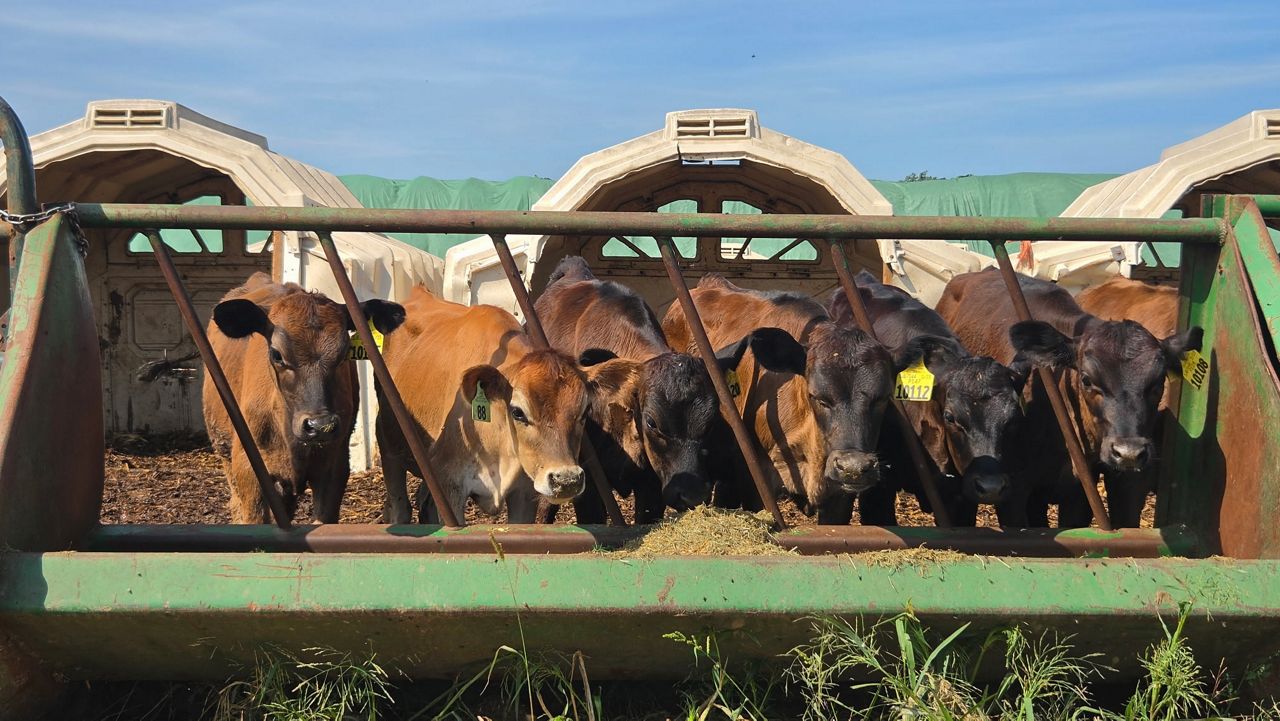
Wisconsin dairy farmers are reeling from a federal decision to allow 300,000 tons of imported ground beef into the U.S., a move that threatens to erode the financial lifeline many rely on as milk prices flounder.
The Breaking Point
For farmers like Sydney Flick and Hans Breitenmoser, the decision to flood the market with imported beef undermines their delicate economic balance. Amidst persistently low milk prices, the beef sector has become a crucial revenue stream for their operations in Lodi and Merrill.
Beneath the Surface
The Trump administration’s move to temporarily pause tariffs on foreign beef aims to reduce grocery costs but disregards a critical issue in the industry: monopolistic control held by major players in beef processing. Farmers argue that long-term solutions should focus on domestic market sustainability rather than short-term imports.
The Ripple Effect
Breitenmoser could lose up to $10,000 monthly due to depressed calf prices, intensifying financial pressure on local farmers who face historically low beef herd numbers. With 20% of U.S. beef production linked to dairy farms, these policy decisions echo throughout the farming community. Meanwhile, consumers are yet to see any price relief, highlighting the policy's disconnect between intent and impact.
"I promise you, there will be no softening of beef prices in the store," warns Breitenmoser.
Hans Breitenmoser, Wisconsin Dairy Farmer
As Wisconsin’s dairy farmers brace for further economic strain, Flick underscores the need for domestic solutions over temporary fixes. The future of rural livelihoods hangs precariously in balance amidst these policy shifts.