Sustained war with Iran could drain US missile stockpiles, test escalation control
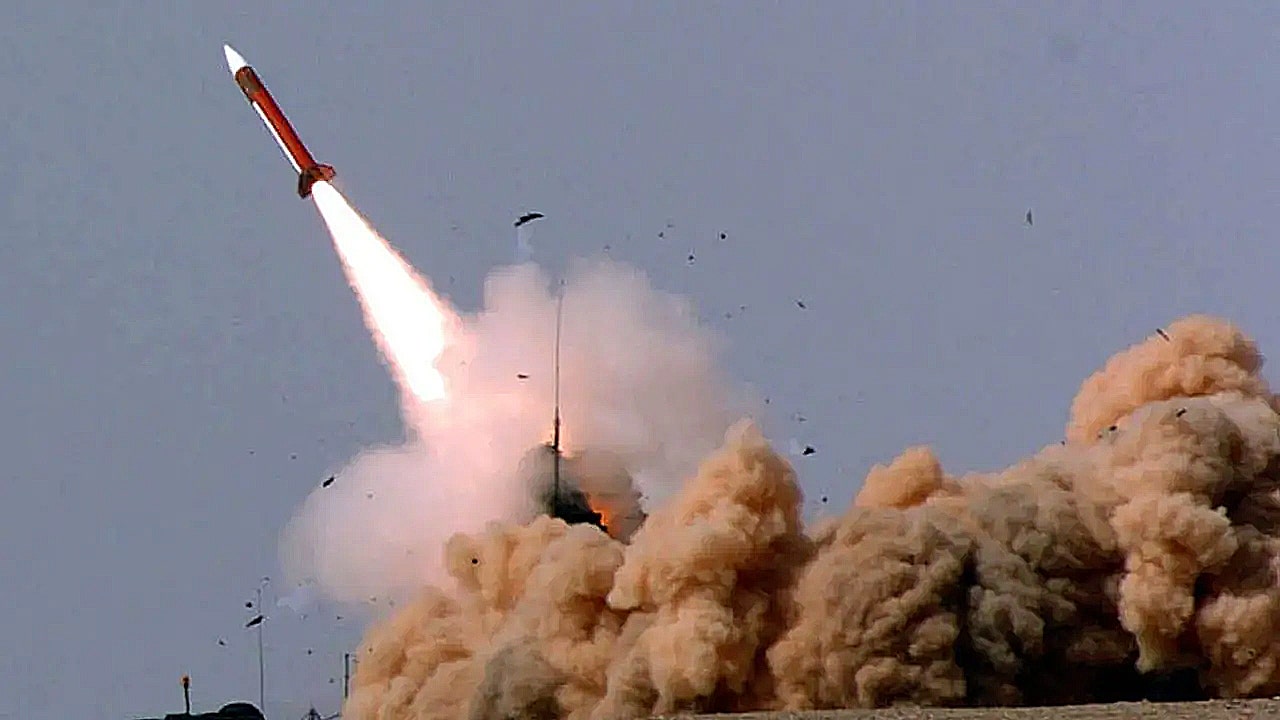
US Faces Missile Defense Challenges in Potential Iran Conflict
The specter of a prolonged conflict with Iran looms over the United States, exposing vulnerabilities in its missile stockpiles and testing its strategic patience.
The Breaking Point
Amidst escalating tensions, U.S. and Israeli military forces have conducted operations titled 'Operation Epic Fury' against Iranian leadership and military infrastructure. The targeted strikes, effective for limited engagements, risk becoming overextended as missile inventories dwindle. Recent defense operations in Ukraine have quashed the stockpiles essential for Middle East engagements, raising alarms over defensive readiness.
Beneath the Surface
The conflict's complexity is compounded by Iran's robust arsenal of ballistic missiles and proxy networks ready to retaliate across the region. Current stock depletions, especially of THAAD and Patriot missile systems, are attributed to international obligations, with replenishment timelines uncertain. This underscores the Pentagon's strategic conundrum as military planners weigh the risks of full-scale confrontation against resource sustainability.
The Ripple Effect
Beyond geopolitical stakes, one-fifth of the global oil supply flows through the Strait of Hormuz, elevating the threat of skyrocketing energy prices. Domestic deliberations highlight Trump's need for assurance amid political complexities, with military efficacy unable to ensure post-strike stability. This scenario echoes throughout strategic halls, suggesting that while surgical strikes may succeed, the broader consequences remain unsettlingly unpredictable.