Tinder and Zoom offer ‘proof of humanity’ eye-scans to combat AI
"Proof of Humanity" Eye-Scans: The New Defense Against AI Fraud
In a groundbreaking move to stem AI-driven fraud, Tinder and Zoom are introducing eye-scanning technology to verify users' humanity and combat fake accounts.
The Breaking Point
A surge in AI impersonation has pushed leading platforms like Tinder and Zoom to seek innovative solutions. Enter eye-scanning technology, designed to distinguish humans from increasingly sophisticated artificial intelligence "bots". This tool promises to curb the rise of fake profiles and scams that have plagued these platforms, eroding user trust.
Beneath the Surface
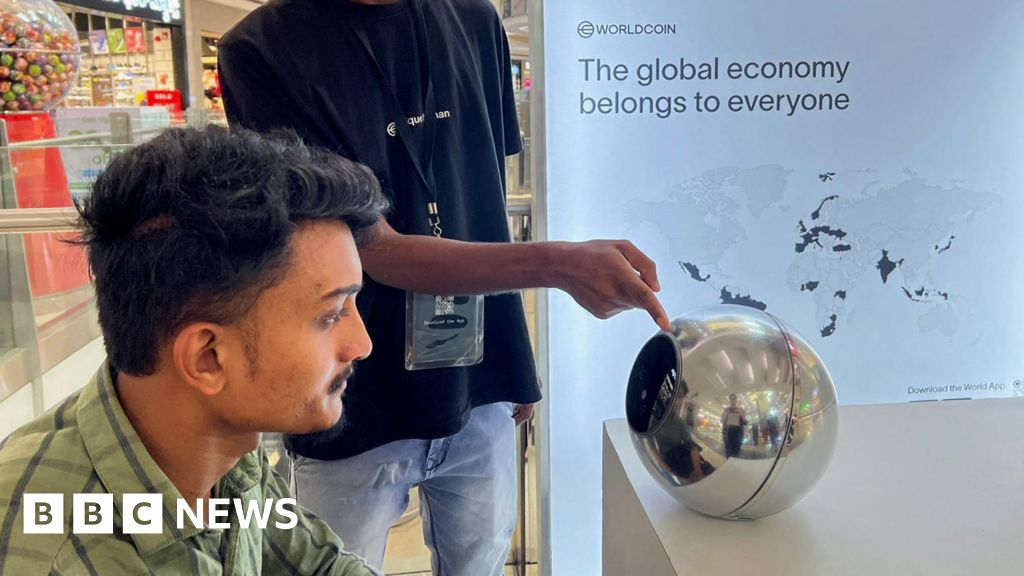
Developed by World, a startup co-founded by Sam Altman of OpenAI, this iris-scanning technology is poised to revolutionize identity verification by recording a unique identification code for each user. It's a response to the digital age's vulnerabilities, where impersonation scams have become alarmingly common. For dating apps and video conferencing alike, ensuring authenticity is no longer optional.
The Ripple Effect
As AI continues to advance, these measures mark a critical step towards securing digital spaces against fraud. By adopting World ID, users gain assurance that they are interacting with real people, not digital counterfeits. This initiative not only fortifies trust in online interactions but also highlights a broader need for innovative defenses against the misuse of AI.
"AI-enhanced romance scammers optimized to fool people are alarming; these new defenses are a necessary evolution," says Yoel Roth of Match Group.
Trust and Safety Leader, Match Group