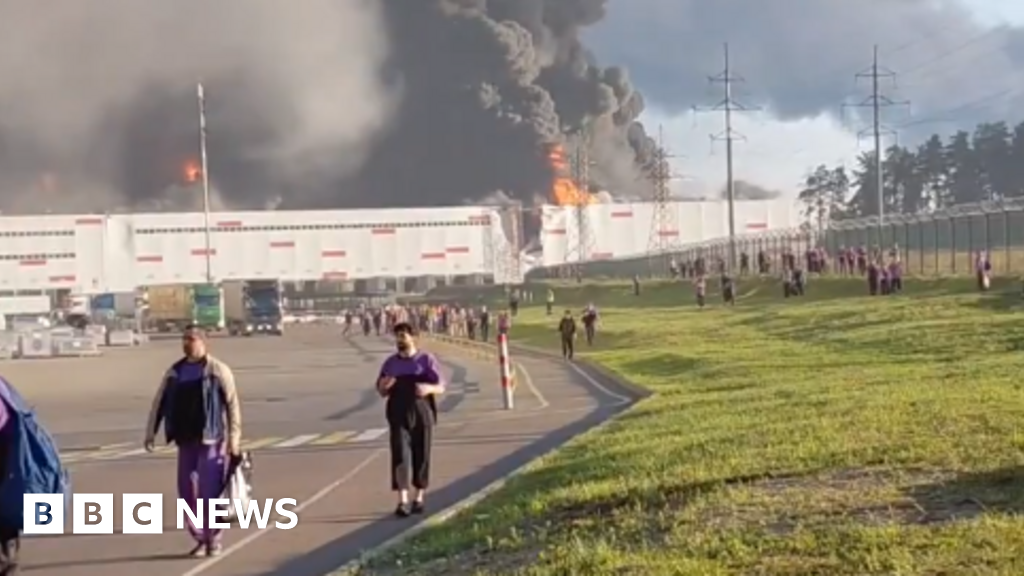
US, Iran trade overnight strikes as Tehran targets Bahrain and Kuwait
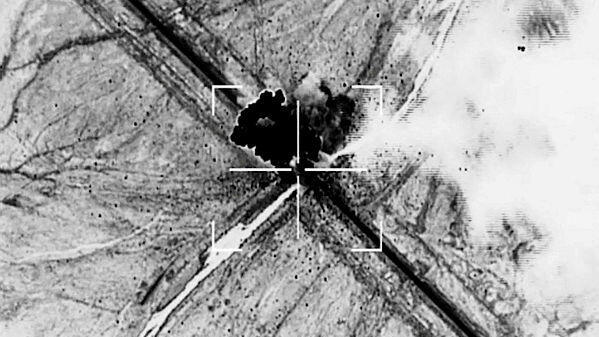
Tensions Flare in the Gulf: U.S. and Iran Exchange Intensified Strikes
In a dangerous escalation, the United States and Iran have exchanged a series of overnight military strikes, with Tehran targeting U.S.-linked facilities in Bahrain and Kuwait, intensifying tensions across the Gulf region.
The Breaking Point
Following the seventh consecutive night of American strikes on Iranian soil, Iran retaliated by targeting U.S.-linked military and intelligence facilities across Bahrain and Kuwait. Bahrain's defense forces reported intercepting several aerial attacks, while Kuwait faced airport disruptions due to missile and drone strikes.
Beneath the Surface
The U.S. campaign aims to degrade Iran’s military capabilities, particularly around the strategically crucial Strait of Hormuz. Tehran's response expanded the conflict's scope, targeting American bases and allies over a broader geographical area, signaling its determination to resist U.S. pressure.
The Ripple Effect
As the conflict intensifies, regional stability is increasingly fragile. The significant decrease in Strait of Hormuz shipping traffic accentuates global energy market concerns, while U.S. embassies have issued travel warnings amid escalating tensions. Diplomatically, the situation places additional strain on U.S. relations with key Gulf allies.
"Because of heightened tensions in the Middle East and the risk of unpredictable escalation, the State Department urges U.S. citizens to reconsider all travel to the region."
U.S. State Department
Resolution
With the U.S. poised to increase military presence in the region, the next steps remain uncertain but potentially transformative, as both nations grapple with regional influence and control over valuable resources.