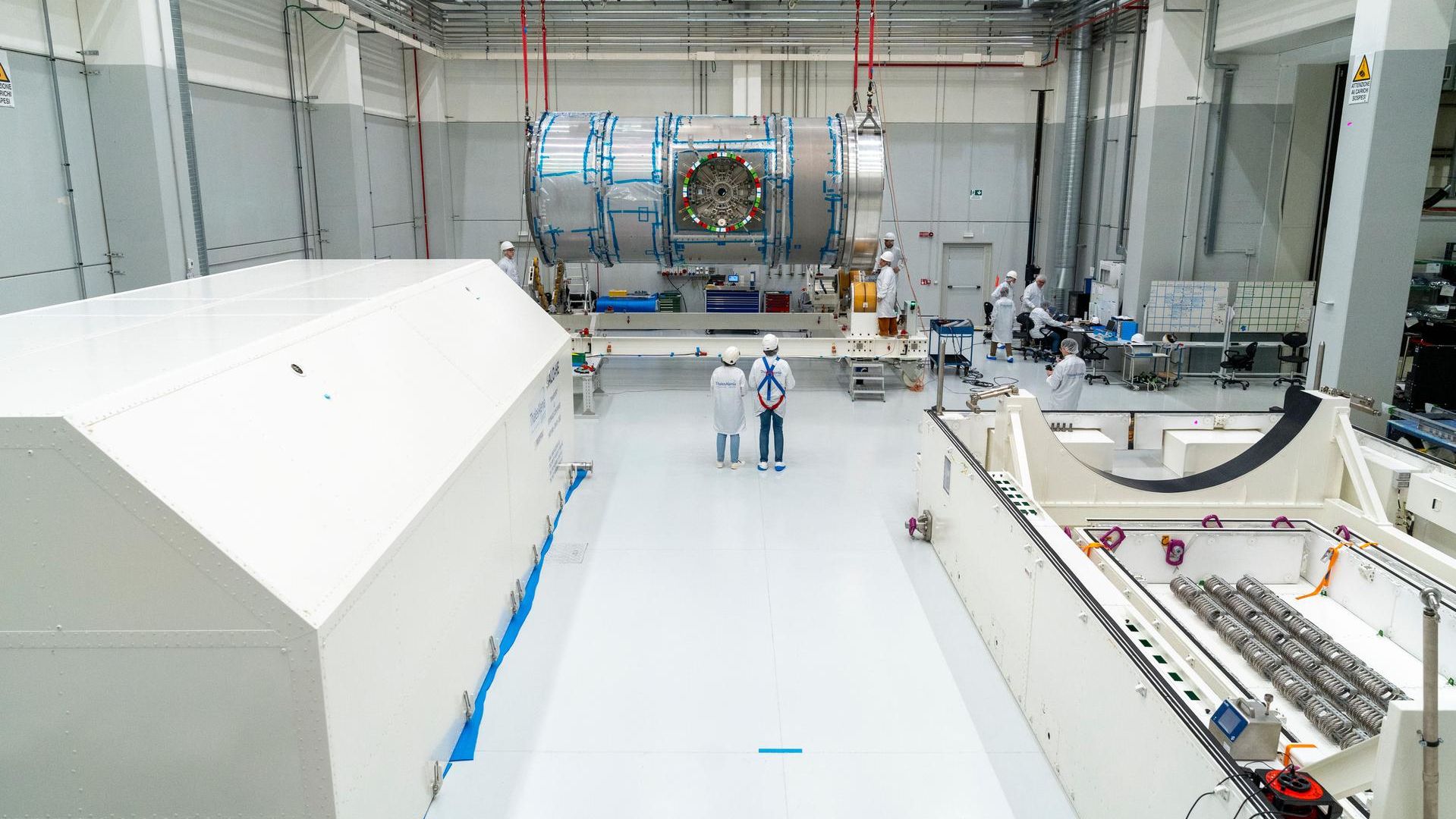
NASA is paying $30 million for a 1st-of-its-kind rescue mission to the aging Swift telescope before it falls from space. Is it worth it?
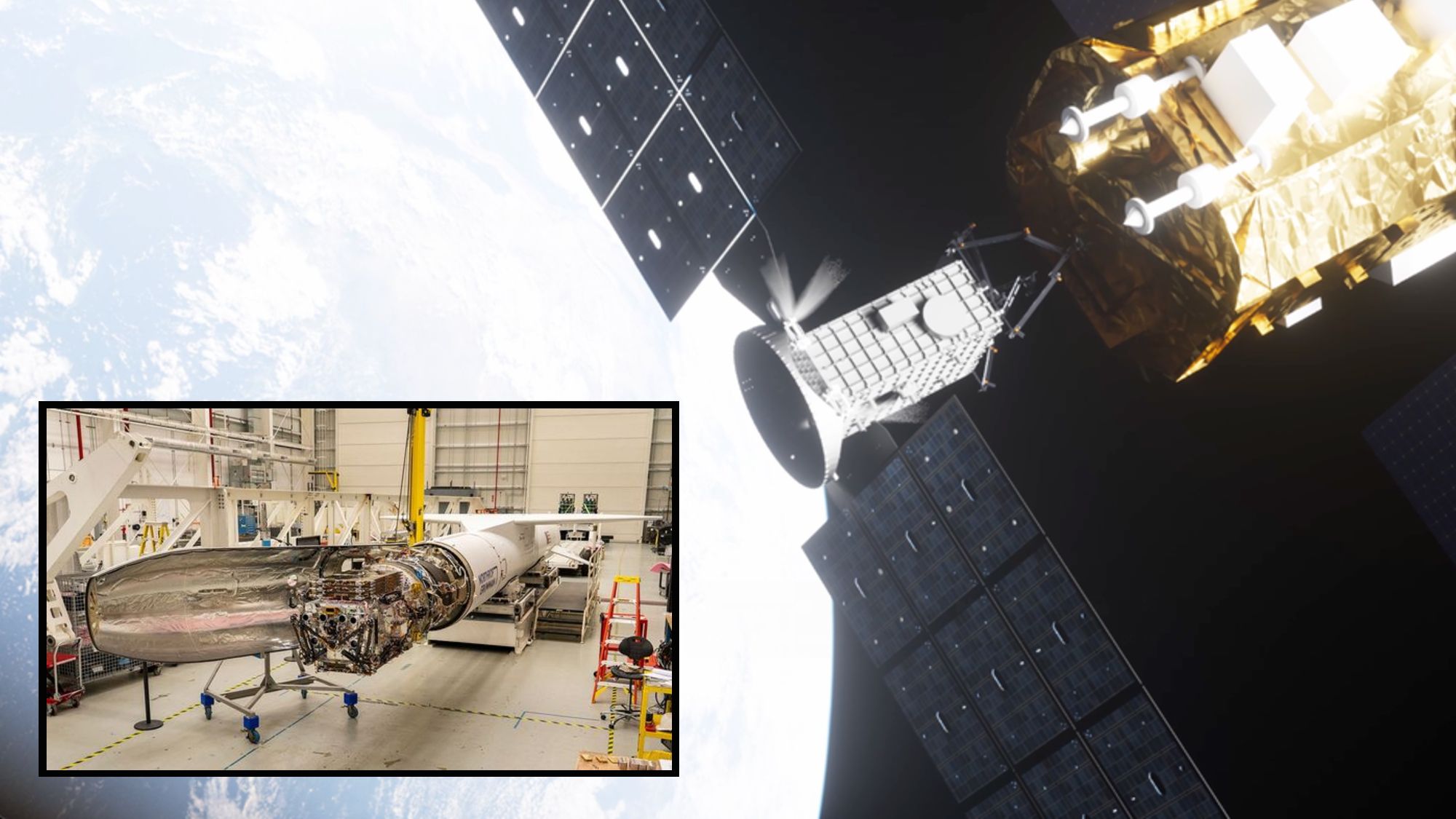
NASA's Bold Rescue Plan for the Aging Swift Telescope: Is the $30 Million Operation a Cosmic Lifeline or Astronomical Overspend?
As Earth's atmosphere pulls on the nearly 22-year-old Swift telescope, NASA prepares for a make-or-break rescue mission that challenges the limits of space operations.
The Breaking Point
Launched in 2004 originally for a two-year mission, the Swift Observatory has defied time with its unique role in spotting gamma-ray bursts across the universe. Now, it faces a premature end, dragged from orbit by increased atmospheric drag. Enter NASA's daring Swift Boost mission, costing $30 million, aiming to save this celestial scout from its fiery fate.
Beneath the Surface
Swift is no ordinary telescope; it's a rapid responder that can pinpoint cataclysmic cosmic events within minutes, a capability unmatched by its peers like Hubble. Preserving Swift extends its legacy of unraveling mysteries like the origins of precious metals in the universe. NASA's leap into this uncharted territory, partnering with new space company Katalyst, speaks to the observatory’s irreplaceable contributions to astrophysics.
The Ripple Effect
Beyond rescue, this mission sets a potential precedent for future satellite renewals, influencing how we sustain vital space infrastructure. Success could reorient strategies in orbital management and open avenues for in-space servicing. As Katalyst prepares to launch the final Pegasus XL rocket for this mission, the stakes aren’t just about one telescope but the future of space resource management.