New Study Reveals Why Ancient Roman Concrete Keeps Getting Stronger
Unveiling the Timeless Strength of Ancient Roman Concrete
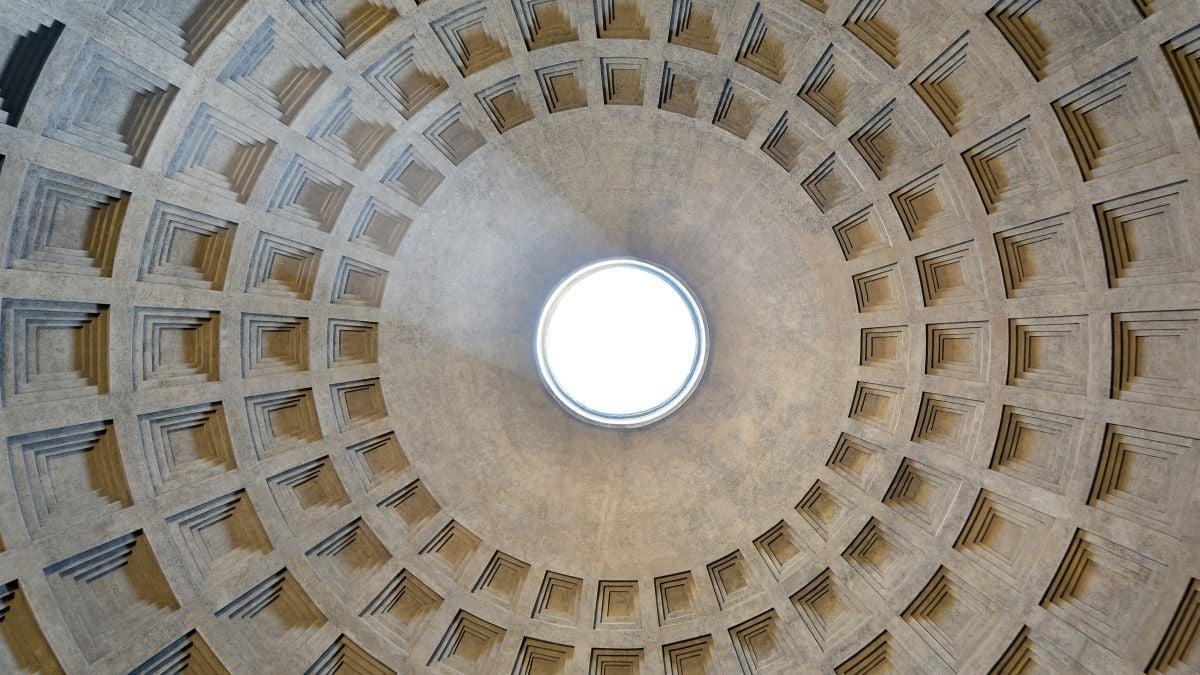
Two thousand years ago, Roman builders crafted enduring structures like the Pantheon that defy the passage of time. A new scientific study unveils the dual secrets behind the legendary strength of Roman concrete, combining ancient wisdom with modern discoveries.
The Hidden Power of Carbonation
While volcanic ash and lime were known to be critical components, recent findings led by UC Berkeley's engineer Paulo Monteiro reveal the vital role of carbon dioxide in strengthening Roman concrete. Over centuries, this carbonation process transforms leftover lime into calcite, enriching the concrete’s resilience and durability.
An Unexpected Discovery in Humble Beginnings
The study ventured beyond grand monuments to examine a modest piece of concrete from Hadrian’s villa in Tivoli, Italy, using nanoscale imaging techniques. The newfound contribution of calcite serves as a pivotal insight, proving that unassuming structures hold extraordinary engineering secrets.
Building a Sustainable Future
With this knowledge, scientists aspire to replicate the Roman concrete’s longevity while reducing carbon emissions. The ancient tactics offer a blueprint for designing eco-friendly, durable concrete that withstands modern challenges, setting the stage for sustainable infrastructure development.