Rumbles Deep Inside Mars Hint at a Vast, Ancient Magma System
Rumbles on Mars: Unveiling an Ancient Magma Powerhouse
Deep within the enigmatic crust of Mars, recent seismic discoveries suggest a dynamic past that challenges our understanding of planetary evolution and habitability beyond Earth.
A Living Past Beneath the Red Dust
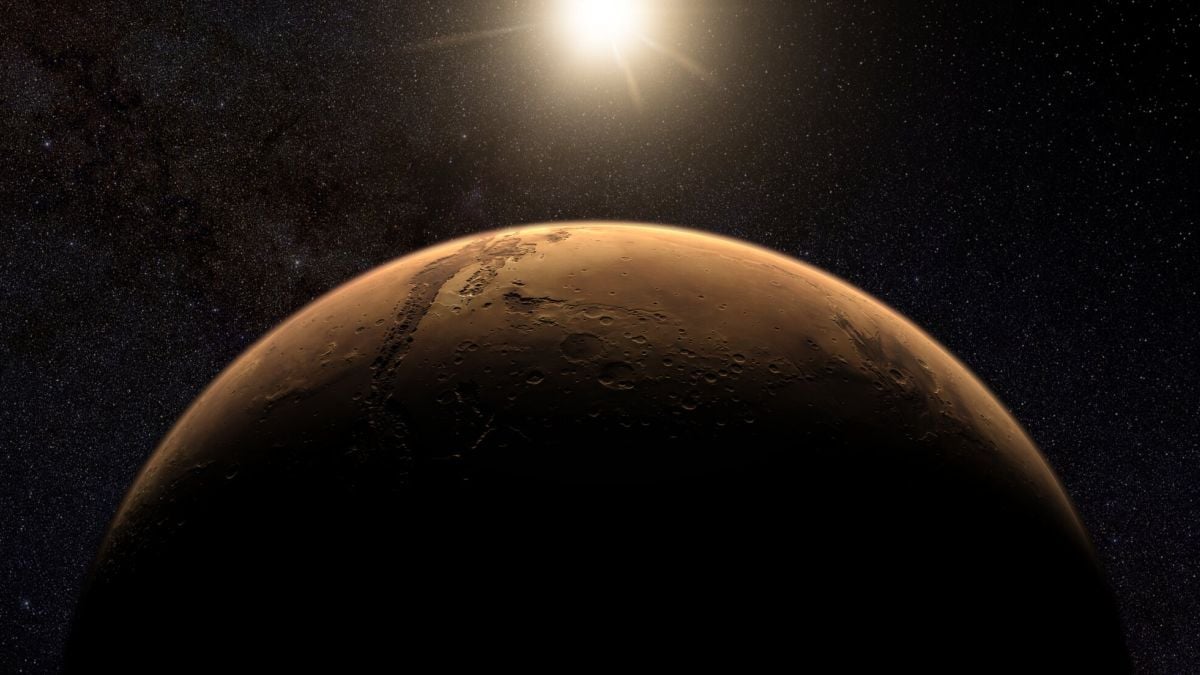
Long dismissed as a barren desert world, Mars has revealed clues of a vibrant geological history through seismic rumbles detected by NASA's InSight lander. The findings point to a complex and vast network of magma once coursing through its crust, much like the Earth—but without the aid of tectonic plates. This unexpected revelation hints at Mars's capacity to host evolved volcanic systems, reshaping the way scientists consider the Red Planet's ancient environment.
The Science of Planetary Soundwaves
Researchers utilized the shifts in seismic waves traveling through Mars's crust to paint a picture of its inner workings. The surprising data uncovered a thick layer of ultramafic rock, topped by a silica-rich mafic layer, suggesting layered magmatic activities. This insight shakes the established view, offering a new perspective on how Mars—and potentially other planets—could support similar geological processes without requiring tectonic movements.
Broader Implications for Life
This discovery not only rekindles the notion of Mars as a dynamic planet, but it could also redefine criteria for planetary habitability. Research indicates that environments once thought inhospitable might actually nurture complex geological life-supporting processes. Mars, with its past magma systems, broadens the type of worlds that could sustain life, indicating that the cosmos might hold more potential habitats than previously considered.
"Habitability may be achievable in a wider range of planetary settings than we once assumed."
Tobermory Mackay-Champion
While today's Mars might seem quiet, these new insights suggest a planet that was once alive with seismic and magmatic activity, proposing exciting possibilities for understanding the complexities of planetary systems across the universe.