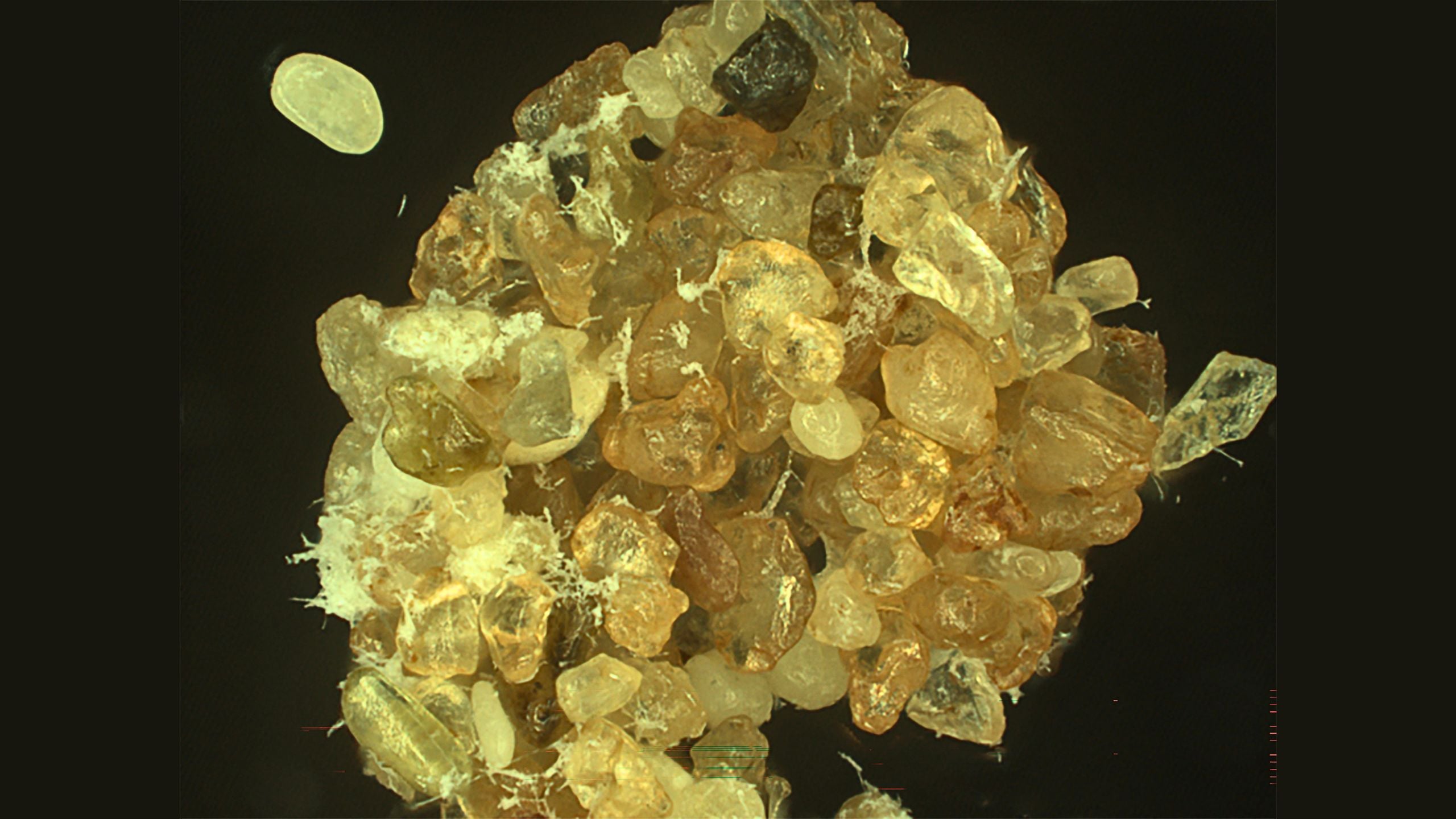
Scientists discover ‘chemical starter kit’ for life in planetary birthplaces
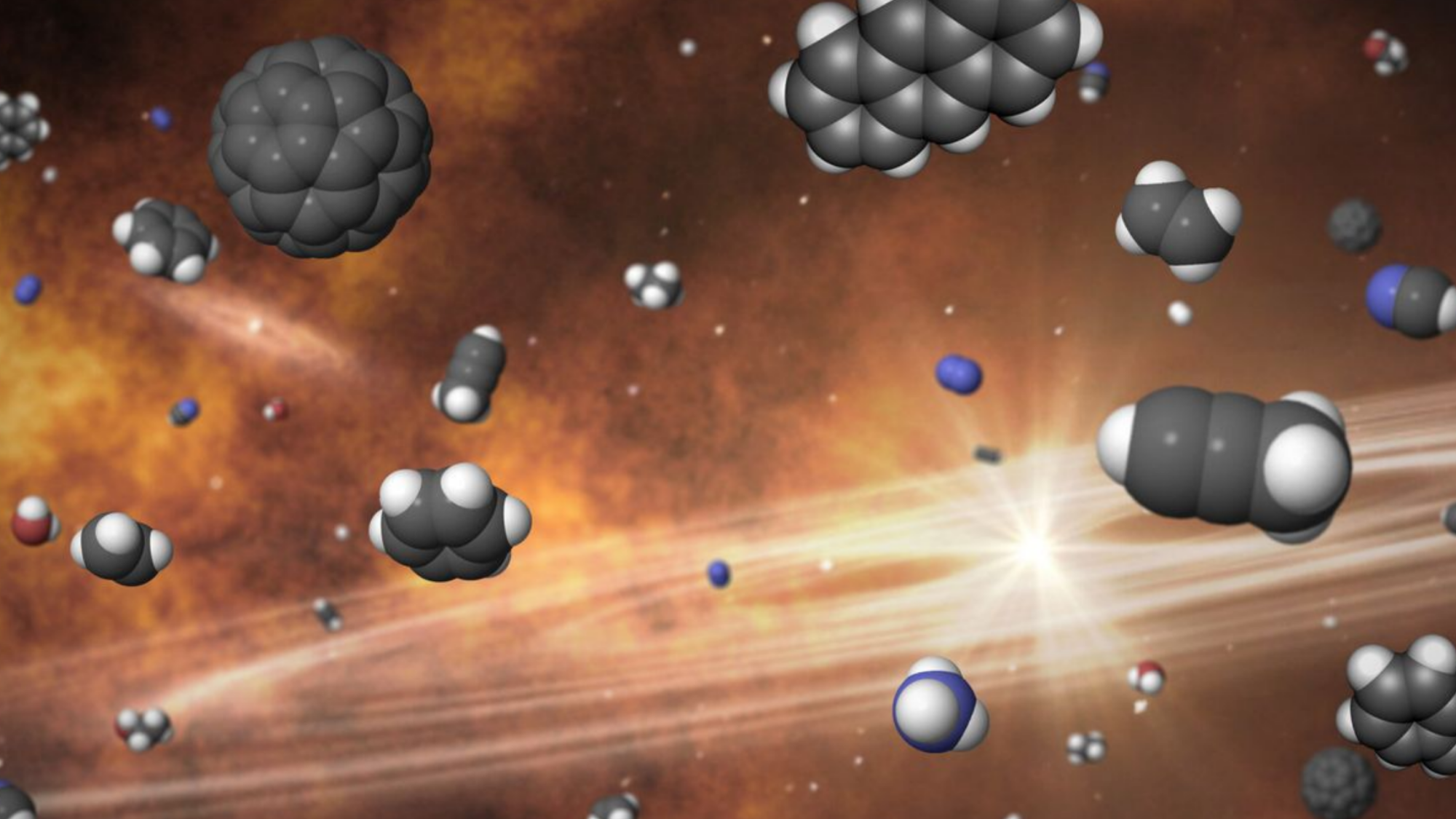
Scientists Uncover Cosmic Building Blocks for Life
In a groundbreaking discovery, scientists have identified methanol as a key 'chemical starter kit' in the evolution of life around young stars, offering clues to planetary formation and possibly life itself.
The Breaking Point
Researchers using ALMA in the Atacama Desert detected rich chemical diversity in star-forming regions, specifically around eleven budding stars. This discovery centers on methanol, the most abundant organic molecule found in these nascent planetary disks, revealing critical insights into the chemistry that might lead to life.
Beneath the Surface
The multinational COMPASS project examined methanol molecules containing deuterium, found predominantly around the young star IRAS 4A2. This rare form of methanol is crucial to understanding the extreme conditions under which life-supporting planets form. The presence of methanol masers, typically associated with high-mass stars, around calmer, low-mass stars challenges established astronomical theories.
The Ripple Effect
These findings suggest that universal processes in star and planet formation might pave the way for life creation. As Maria Drozdovskaya, the lead astrophysicist on the project, notes, this enhances our understanding of the chemical phenomena within distant star systems, emphasizing the importance of continued spectroscopic studies for groundbreaking cosmic revelations.