Scientists Found Human Speech-Like Patterns in Sperm Whale Clicks
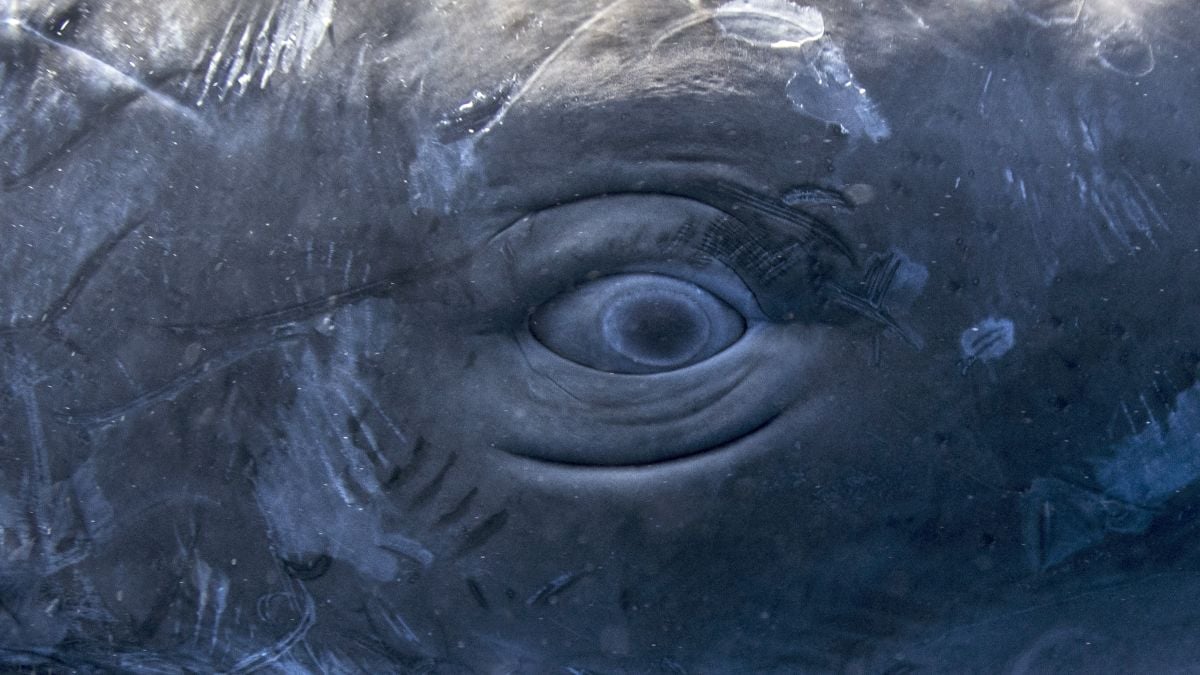
Decoding the Ocean's Voices: Sperm Whale Clicks Reveal Complex Speech-Like Patterns
In the watery depths of the ocean, the enigmatic clicks of sperm whales have taken on new significance. Scientists have discovered patterns in these underwater sounds that might just parallel the complexity of human speech, bringing us closer to communicating with another species.
The Breaking Point
For years, the clicks of sperm whales, known as 'codas', seemed like marine background noise. However, recent analysis by researchers at Project CETI has revealed a surprising level of sophistication within these sounds, showcasing structured patterns akin to elements of human speech.
Beneath the Surface
Sperm whales, living in tightly-knit, matrilineal groups, rely on their communicative prowess to survive the vast and perilous seas. The newfound parallels between their codas and human phonology suggest an independently evolved complexity, pushing the boundaries of our understanding of non-human communication.
The Ripple Effect
This discovery could revolutionize how we perceive animal communication systems, edging closer to deciphering these underwater dialogues. Not only does it challenge the uniqueness of human language, but it also opens the door to potential interspecies communication and new insights into the evolution of language itself.