Strait of Hormuz blockade: Sailors stressed and exhausted after being trapped for months
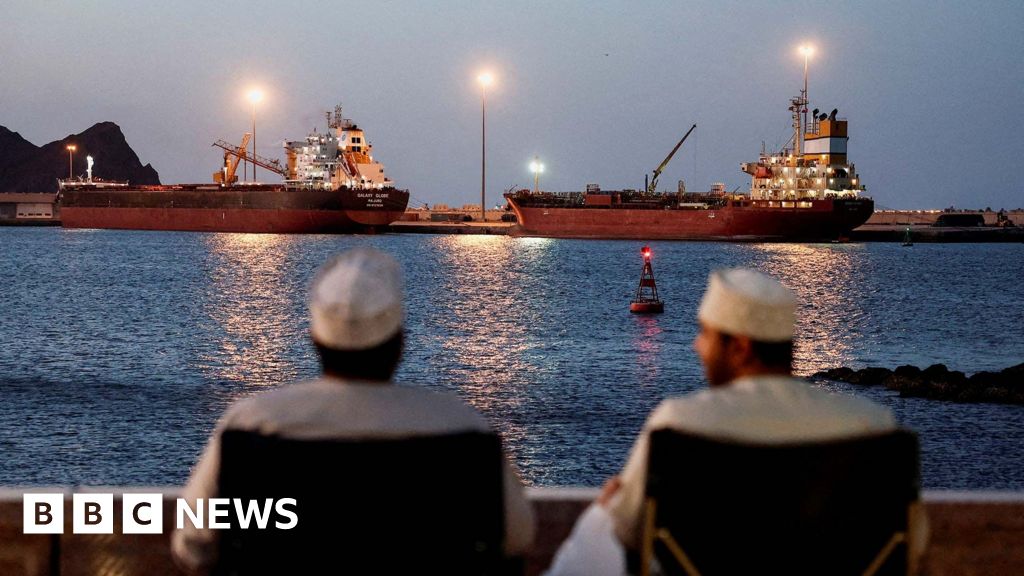
Sailors Trapped in Tension: The Strait of Hormuz Dilemma
As geopolitical tensions close the Strait of Hormuz, over 20,000 seafarers find themselves ensnared in a maritime standstill, facing emotional and physical exhaustion.
The Breaking Point
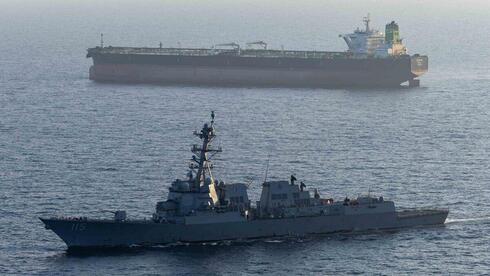
For Captain Hassan Khan and his crew, the sea offers little solace despite its apparent calm. Their ship remains trapped amid increasing fears and anxiety, a result of the ongoing US-Israeli conflict with Iran that has rendered the crucial Strait of Hormuz impassable. Thrumming beneath the everyday veneer is a persistent, exhausting stress—missile trails testify to the danger lurking above and below the Gulf's surface.
Beneath the Surface
Efforts to navigate the blockade have met with consistent failure. The captain of the Banglar Joyjatra, Shafiqul Islam, describes futile attempts during brief ceasefire windows. These episodes epitomize the complex dance of diplomacy and defiance, where even trusted passages like Hormuz are pawned in larger geopolitical games.
The Ripple Effect
The blockade has wide-reaching consequences beyond the physical confines of the ships. Essential supplies like food and water are scarce and overpriced, creating tension on vessels and desperation among their crews. This crisis highlights the precarious nature of maritime careers and raises concerns about the militarization of international waterways, signaling a potential paradigm shift in global trade and employment in the shipping industry.