UN weighs more robust Lebanon force after UNIFIL
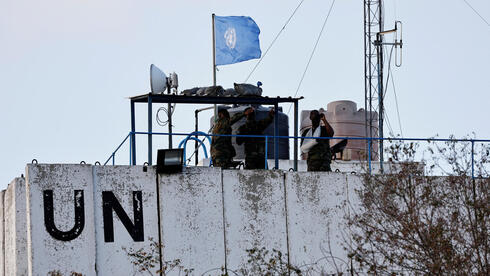
UN Rethinks Peacekeeping Strategy in Lebanon: The Stakes Beyond the Blue Line
In the face of escalating tensions, the United Nations is assessing ambitious new peacekeeping strategies to maintain stability in the volatile region of Lebanon. This decision aims to secure lasting peace amidst growing concerns of regional conflict.
The Breaking Point
UN Secretary-General Antonio Guterres has urged for a continued robust UN presence in Lebanon following the expiration of the UNIFIL mandate. With the geopolitical climate deteriorating since March, the Secretary-General’s letter to the Security Council outlined three strategic proposals ranging from a minimal force of 1,980 personnel to a more comprehensive one of up to 5,525 personnel, enhancing capabilities like aerial surveillance, radar, and drone operations.
Beneath the Surface
The current situation demands a strengthened political mission to avoid further deterioration. Guterres posits that bolstering the ground force with air support, technological reinforcements, and specialized equipment is essential to effectively monitor the Blue Line and foster long-term peace talks. The ongoing conflict and sporadic ceasefire violations enhance the need for such measures.
The Ripple Effect
The decision to upgrade the UN's presence could notably impact regional dynamics by either ushering in stability or fuelling tensions. The potential to reinstate confidence along the Lebanon-Israel border zones stands significant, possibly averting escalations and garnering global attention on the UN’s commitment to peace enforcement in volatile territories. This decision may set a precedent for future interventions in similar conflict-ridden areas.
"The stakes are higher than ever for Lebanon's stability and the broader region," Guterres emphasized, underscoring the necessity of a cohesive and technologically backed UN force.
Antonio Guterres