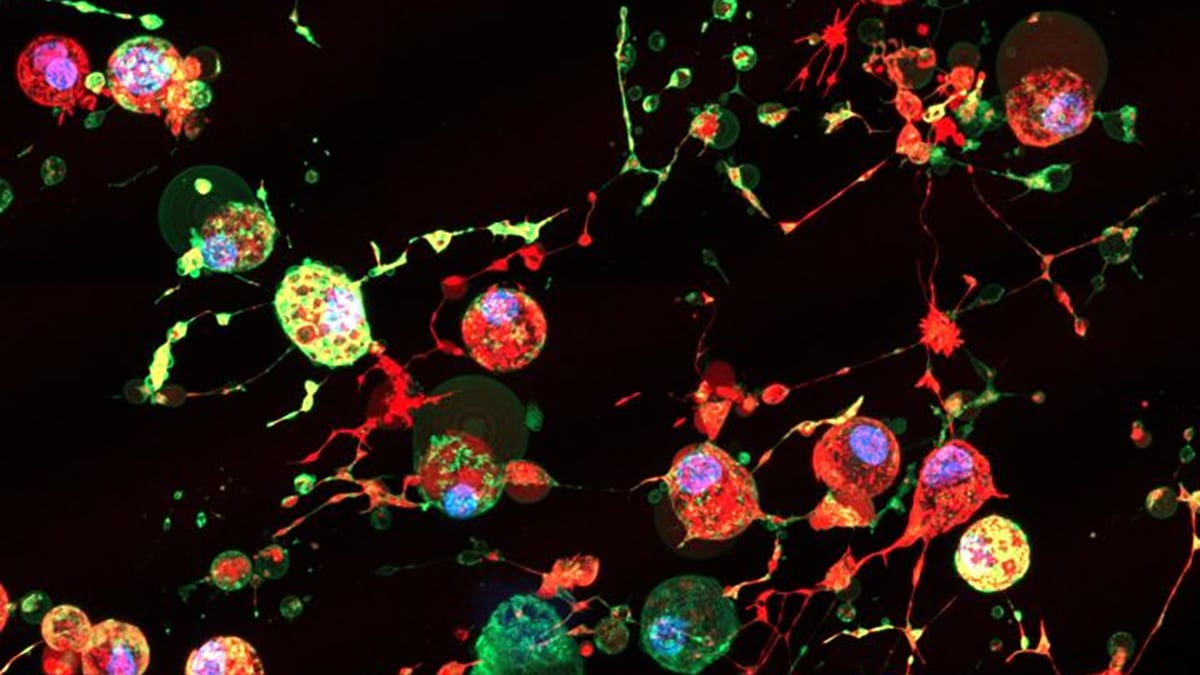
Sugar-Coated Nanoparticles Shrink Deadly Brain Tumors in Mice
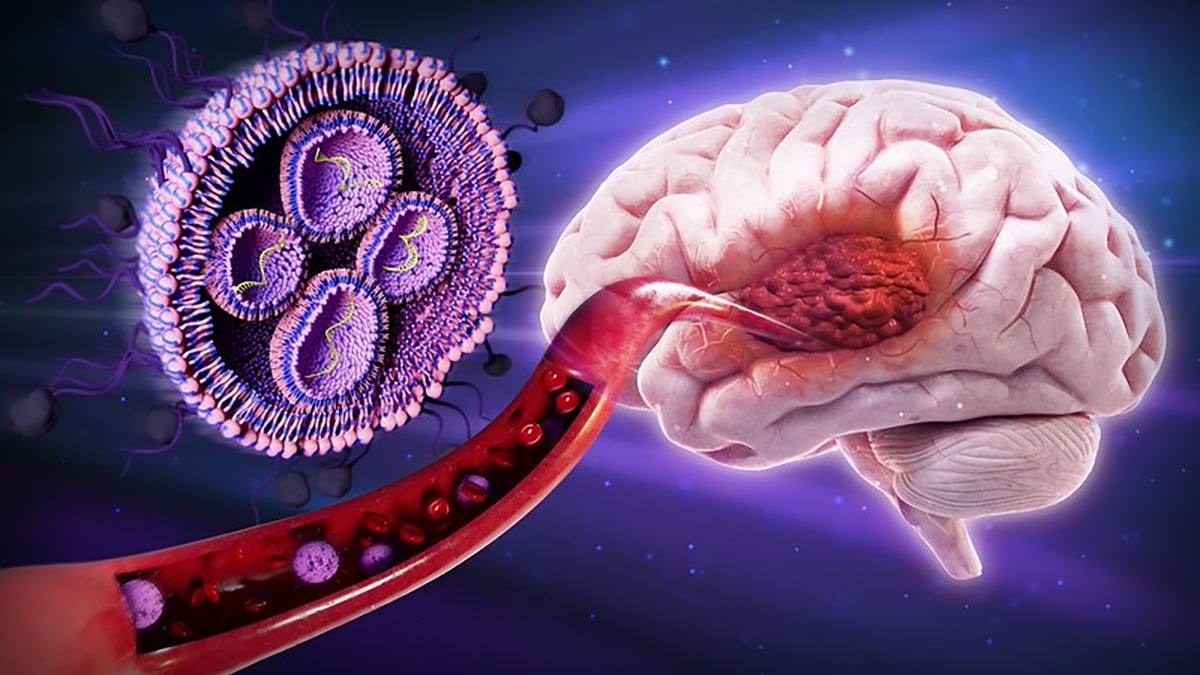
Revolutionary Sugar-Coated Nanoparticles Offer Hope in Brain Cancer Fight
In a promising breakthrough, sugar-coated nanoparticles have shown the potential to significantly reduce the size of deadly glioblastoma brain tumors in mice, bringing hope for future treatments.
The Breakthrough Moment
Researchers at Oregon State University have designed innovative sugar-coated nanoparticles capable of crossing the blood-brain barrier to target glioblastoma tumors. These coated particles cleverly utilize mannose sugar—similar to glucose—to gain entry into the brain, effectively delivering tumor-suppressing messenger RNA (mRNA).
Rewriting the Rules
Glioblastoma is notoriously aggressive with low survival rates, making new treatment avenues vital. The sugar coating not only aids nanoparticle delivery but also exploits the tumor's excessive appetite for sugar, ensuring targeted deposition. This approach led to significant tumor reduction in treated mice, extending their survival time remarkably.
Human Applications
Although currently demonstrated in mice, researchers are optimistic about adapting this technique for humans. The sugar-coating strategy, offering dual benefits of penetration and precise targeting, might extend beyond brain cancers to treat diverse neurological disorders, providing a versatile platform for mRNA therapeutics.
"These findings establish mannose-cholesterol lipid nanoparticles as a promising translational platform for mRNA-based therapy of glioblastoma,"
said the study authors.
This pioneering research marks an exciting step toward innovative cancer treatments, potentially transforming the outlook for those battling one of the deadliest brain cancers.