Up to 853 passengers: the rise and fall of the Airbus A380 superjumbo
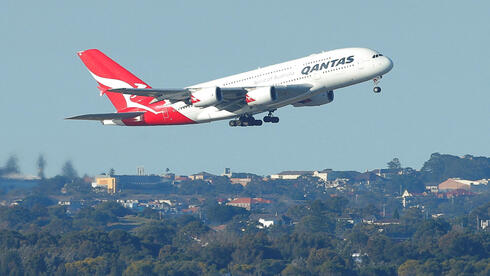
The Titanic of the Skies: Airbus A380's Journey and Future
Once heralded as the aviation industry's game-changer, the Airbus A380's colossal dream could handle up to 853 passengers. Yet, as the world adapts, this superjumbo's grand era faces turbulence.
The Breaking Point
The Airbus A380 was born to redefine air travel, challenging the might of the Boeing 747 with its double-decker design. However, its allure has waned as airlines, like Qantas, decide to retire these giants early due to daunting maintenance costs and spare part shortages. With 196 jets still soaring, the A380's presence lingers, yet its shadows grow shorter.
Beneath the Surface
The A380's promise was in its size—but filling those 500-plus seats per flight became a costly quest. High operational demands coincided with the rise of more efficient aircrafts like the Boeing 787 and Airbus A350, steering airlines toward smaller, fuel-savvy fleets.
The Ripple Effect
COVID-19's aviation pause pressed fast-forward on the A380's decline, with carriers like Air France and China Southern decommissioning their fleets. Opposing this trend, Emirates invests heavily, planning to fly their A380s well into the future. This evolution suggests that while its reign in commercial skies fades, the A380 remains a luxurious niche offering for a select few airlines.
"Though not the success Airbus envisioned, the A380's story is not yet finished mid-air."
Aviation Analyst