X-Rays Reveal First Evidence That Mammal Ancestors Laid Eggs
First Tangible Evidence of Egg-Laying Among Mammal Ancestors Discovered
In a groundbreaking discovery, scientists have revealed that Lystrosaurus, a mammal ancestor, may have survived Earth's worst mass extinction by laying eggs—a strategy that possibly explains their dominance during this perilous era.
The Breaking Point
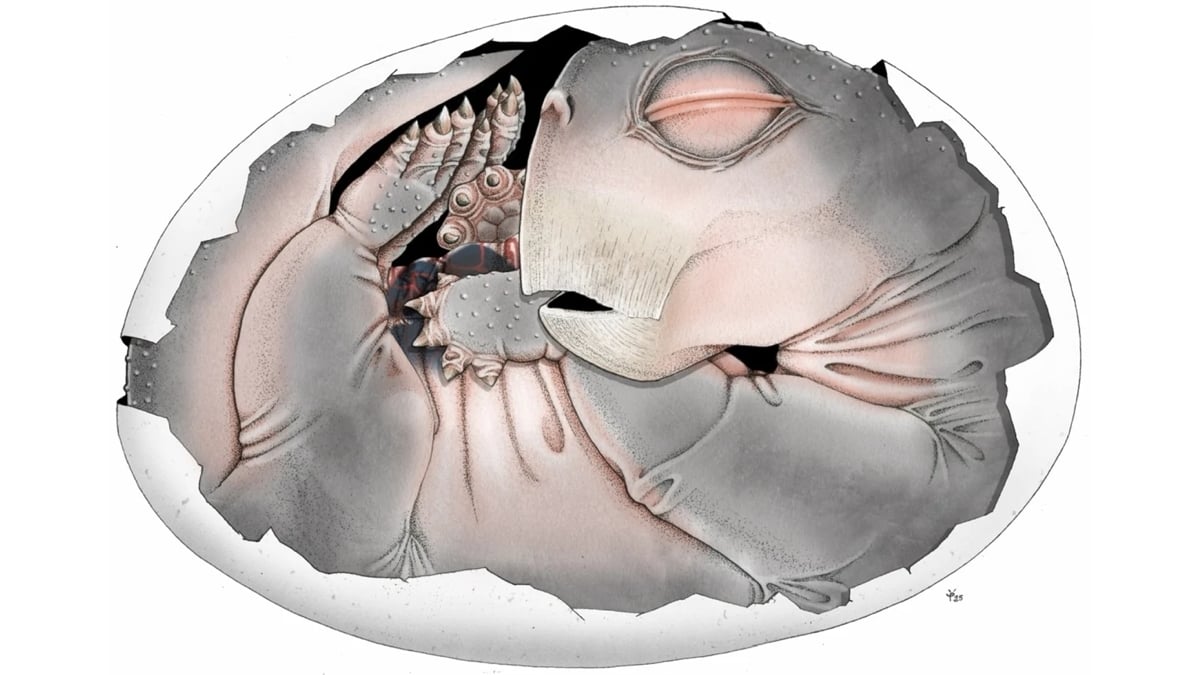
For over 180 years, the assumption that early mammal ancestors laid eggs was theoretical until now. An international team uncovered fossilized Lystrosaurus hatchlings in South Africa, one of which was found to be in an egg via advanced X-ray technology.
Beneath the Surface
The newfound evidence suggests that egg-laying aided Lystrosaurus in surviving the Great Dying, Earth's most severe extinction event, by producing large, less vulnerable eggs that supported rapid maturity in the harsh climates of the time.
The Ripple Effect
This discovery reshapes our understanding of reproductive strategies during ancient extinctions, highlighting how such methods contributed to the evolutionary success of prehistoric species. The insight contributes invaluable knowledge to the origins of mammalian traits like lactation.
"Lystrosaurus occupies a pivotal position for understanding how reproductive strategies shaped survival during this extinction," the researchers conclude.
PLOS One Study